Vertical Gaming Table Stacking Methods for Space-Efficient Charity Events in High-Density Housing
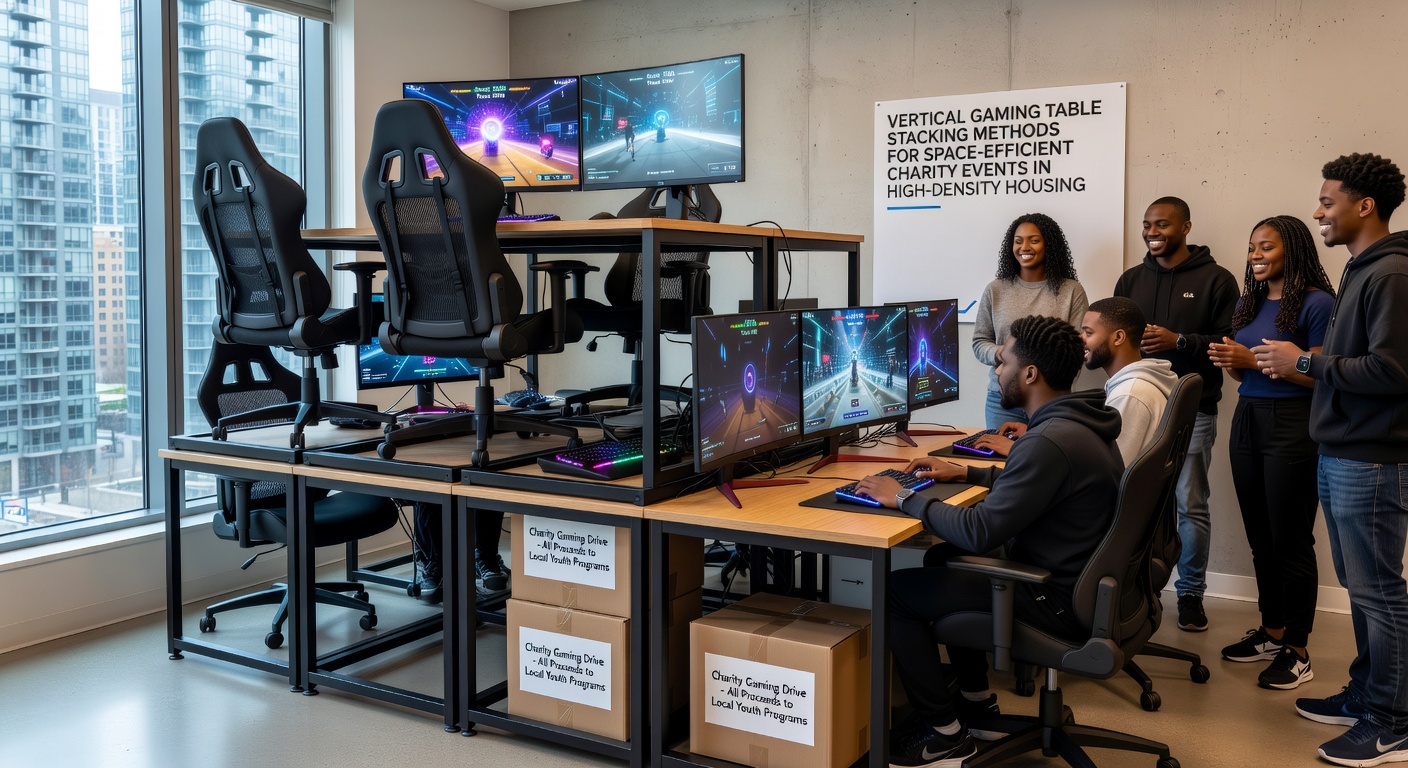
High-density housing presents unique challenges for hosting charity gaming events, and vertical stacking methods have emerged as practical solutions that maximize limited floor space while maintaining functionality for multiple tables. These approaches involve positioning gaming surfaces upright against walls or within custom frames, which allows organizers to store or display several tables in areas where horizontal layouts would otherwise prove impossible. Research from urban planning studies indicates that such techniques can reduce required floor area by up to 60 percent compared to traditional flat arrangements, according to data compiled by the U.S. Department of Housing and Urban Development on adaptive event spaces in multifamily buildings.
Core Stacking Techniques and Configurations
One established method relies on wall-mounted brackets that secure tables at a slight angle, creating stable vertical rows without obstructing walkways or emergency exits. Observers note that this configuration works well in studio and one-bedroom units where square footage remains tight, and participants can still access game surfaces by rotating individual tables downward during active play periods. Another technique uses freestanding A-frame racks constructed from lightweight aluminum, which permit tables to lean back-to-back in pairs and stack three or four units high when not in use. Those who've implemented these racks report that they integrate easily with standard folding legs on poker or roulette surfaces, and the design distributes weight evenly to prevent tipping.
Modular rail systems represent a third approach, where slotted tracks run along baseboards and allow tables to slide into vertical positions using built-in grooves. Data from industry reports shows these systems accommodate tables of varying thicknesses, and they often incorporate locking pins that secure each piece during transport between events. In June 2026 several community centers in dense urban corridors began piloting hybrid versions that combine wall brackets with mobile carts, enabling quick transitions from storage mode to active gaming layouts within minutes.
Materials and Construction Considerations
Durability becomes essential when tables undergo repeated vertical positioning, and manufacturers commonly employ reinforced plywood cores paired with edge banding that resists chipping during handling. Aluminum extrusions serve as the primary framing material in most commercial kits because they resist corrosion in humid apartment environments while remaining light enough for two people to maneuver. Fabric covers treated with anti-static coatings protect felt surfaces from dust accumulation when tables stand upright for extended periods, and these covers also reduce noise during stacking and unstacking procedures.
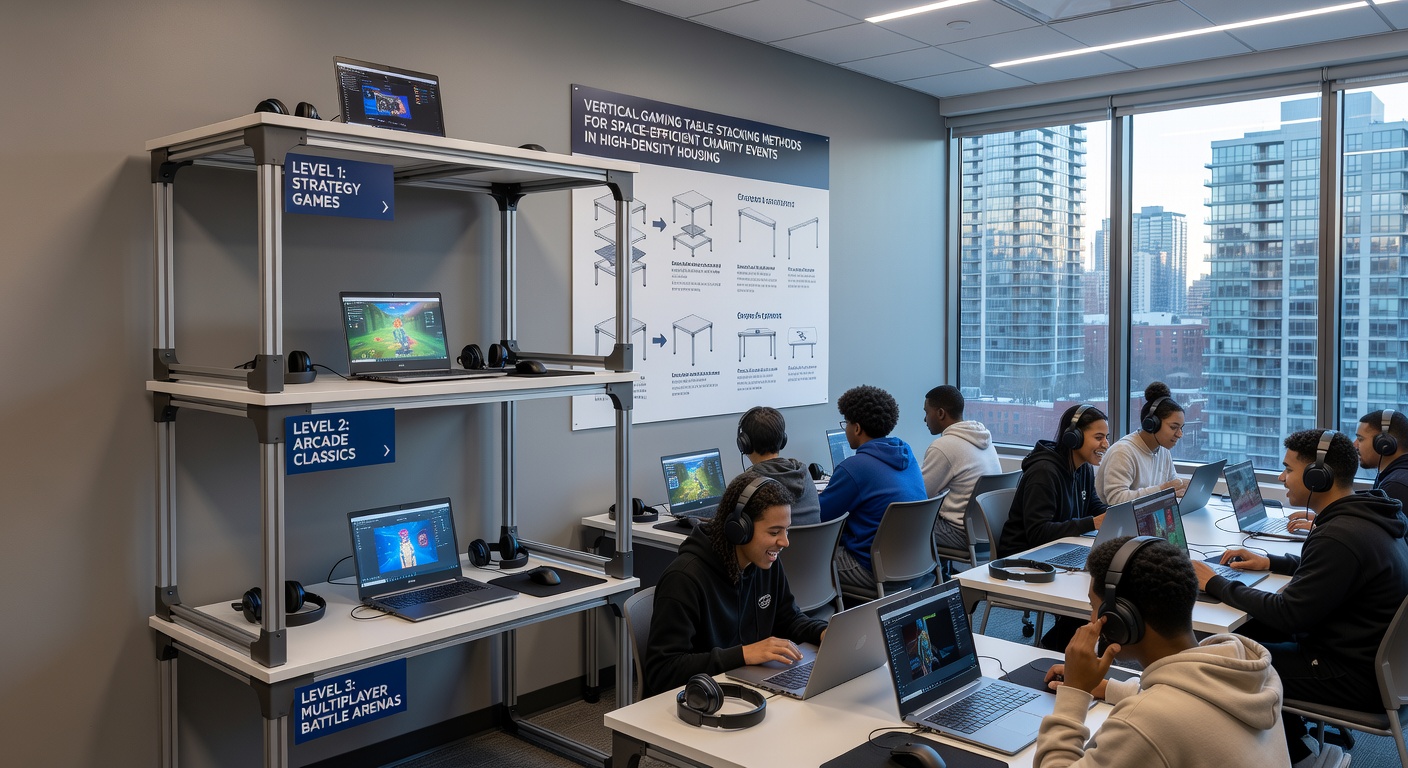
Fastening hardware includes nylon straps with quick-release buckles and rubberized pads that cushion contact points between stacked units. Studies conducted by the American Gaming Association on equipment longevity highlight that tables maintained with these protective elements retain structural integrity through dozens of event cycles, which proves valuable for recurring charity fundraisers operating on tight budgets. Organizers frequently source components from suppliers specializing in event infrastructure, and many opt for powder-coated finishes that match common interior color schemes in high-rise residential buildings.
Implementation in Charity Event Settings
Charity organizers working within high-density housing have adapted vertical stacking to support multi-game nights that include blackjack, poker variants, and roulette without requiring dedicated storage rooms. In practice, volunteers assemble the frames during setup windows that last under thirty minutes, then transition tables to horizontal positions only when player counts reach peak levels. This phased deployment keeps pathways clear for food service and donation collection stations while preserving enough open floor area for safe movement. Figures from recent community event summaries reveal that vertical methods have enabled groups to host events in buildings previously considered unsuitable due to square footage constraints.
Coordination with building management remains a standard step, and many properties now maintain shared equipment inventories that residents can reserve through digital scheduling platforms. Such arrangements reduce individual purchase costs and encourage broader participation across multiple floors or neighboring complexes. What's notable is how these systems scale: a single set of racks can support events ranging from ten to fifty participants depending on rotation schedules and table availability.
Safety Protocols and Regulatory Alignment
Fire codes and accessibility guidelines dictate several non-negotiable requirements when vertical storage occurs near exits or in common corridors. Organizers must ensure stacked units do not exceed height limits specified in local ordinances, and they often incorporate wheel chocks or floor anchors during active use to maintain stability under crowd movement. Training sessions for volunteers emphasize proper lifting techniques and sequential unstacking order, which minimizes risk of damage or injury. Data compiled by housing authorities across multiple states shows that events adhering to these protocols experience fewer incidents than those relying on ad-hoc arrangements.
Insurance providers frequently request documentation of equipment specifications before approving coverage for charity gaming nights, and many policies now reference vertical stacking methods as acceptable risk-mitigation practices when properly implemented. This alignment has supported growth in apartment-based fundraisers throughout 2026, particularly in regions where traditional venue rentals have increased in cost.
Conclusion
Vertical gaming table stacking methods continue to expand options for space-efficient charity events within high-density housing environments. By combining targeted materials, standardized configurations, and adherence to safety standards, organizers achieve functional layouts that support community fundraising goals without demanding extensive square footage. Continued refinement of these techniques aligns with broader trends in adaptive event design, and the approach remains accessible to groups operating across varied residential settings.