Transforming Garden Sheds into Portable Gaming Lounges with Foldable Felt Overlays and Wireless Chip Trackers
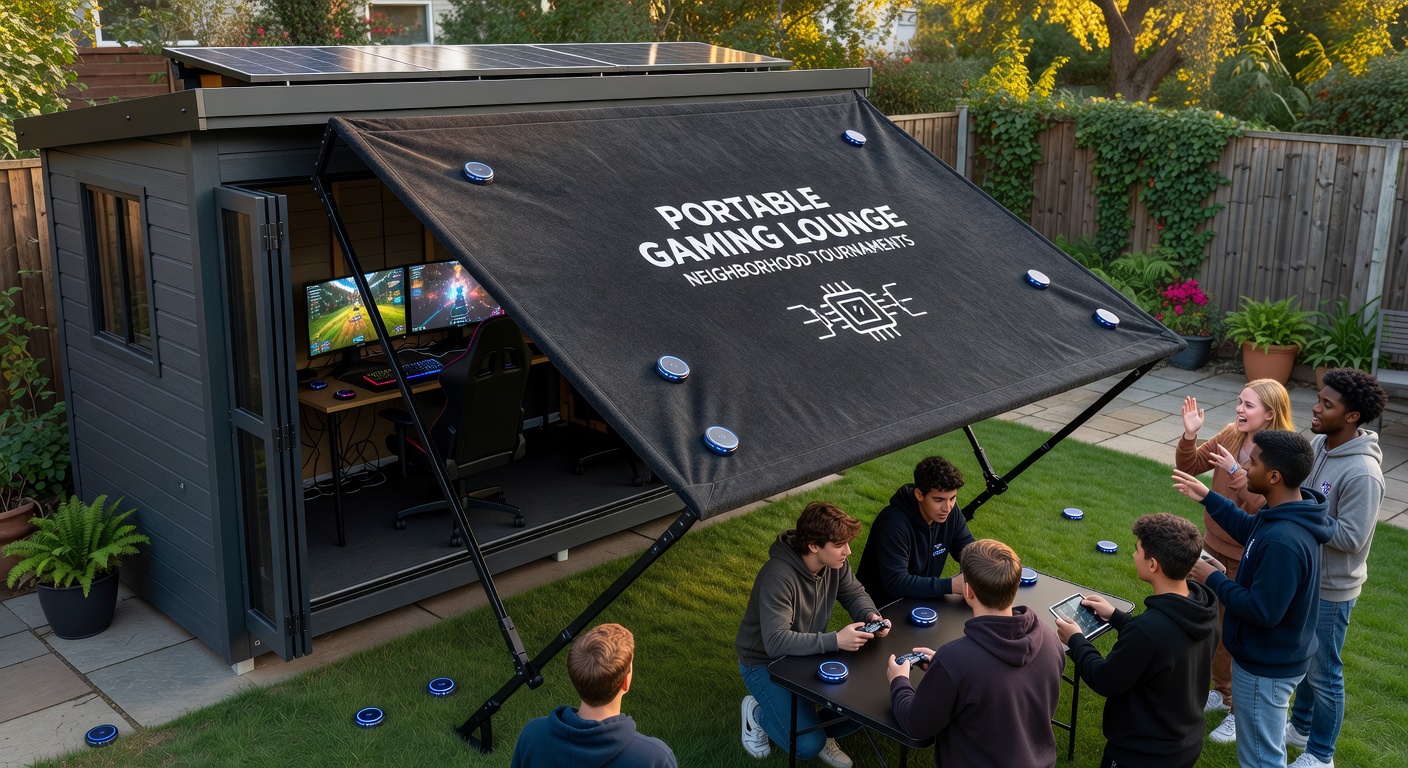
Community members across suburban areas have started converting standard garden sheds into adaptable gaming spaces that support quick setup for local poker and card events. These conversions rely on foldable felt overlays that roll out over existing surfaces and wireless chip trackers that monitor bets without physical intervention during play. The approach gained traction as residential properties adapted to increased demand for organized home-based tournaments amid the May 2026 expansion of sweepstakes casino options in several states.
Planning the Shed Conversion Process
People begin by assessing shed dimensions and structural integrity before introducing gaming elements. Standard 8-by-10-foot sheds provide enough room for a central table plus seating for six to eight participants while leaving circulation space around the edges. Observers note that ventilation upgrades and electrical additions come first because consistent lighting and power access support electronic components like wireless readers. Builders often install modular flooring panels that level uneven ground and create a stable base for overlay materials.
Installing Foldable Felt Overlays
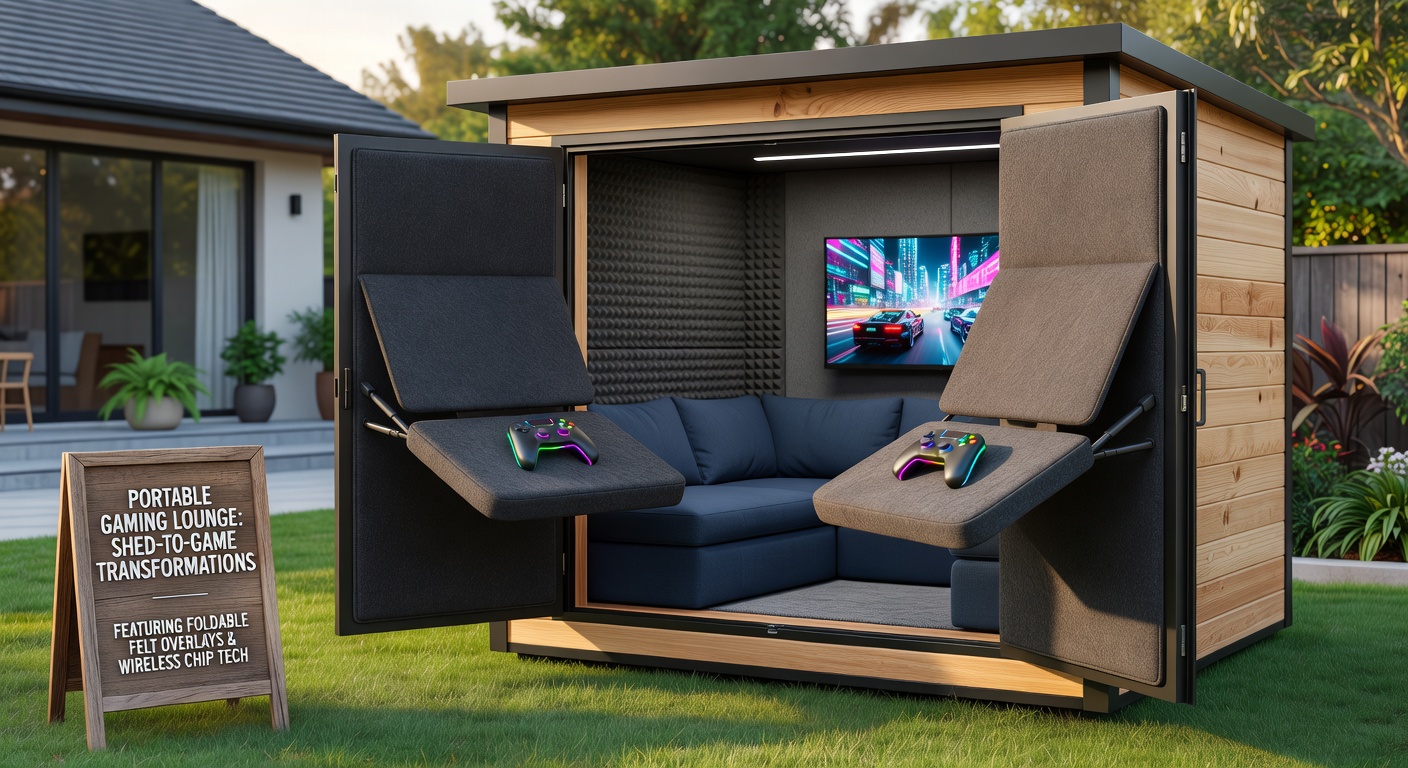
Foldable felt overlays consist of heavy-duty polyester fabric treated with non-slip backing and pre-marked layouts for common games such as Texas Hold'em or blackjack. Each overlay collapses into a compact roll that fits inside storage bins and deploys across tabletops in under two minutes. Manufacturers produce these in multiple sizes so one set accommodates both rectangular and round surfaces without custom cutting. Data from home improvement suppliers indicates that felt thickness between 2 and 3 millimeters prevents wrinkles while remaining light enough for single-person handling during takedown.
Wireless Chip Tracker Integration
Wireless chip trackers embed RFID tags inside standard poker chips and pair them with readers mounted beneath or beside the table. Systems transmit real-time count data to a central tablet or smartphone app that displays stack sizes and pot totals for all players. Engineers designed the readers to operate on low-power batteries that last through multi-hour sessions and recharge via USB connections already present in the shed. Research conducted by technology institutes in Canada shows these trackers reduce disputes over chip counts by 40 percent compared with manual verification methods.
Supporting Spontaneous Neighborhood Tournaments
Once the shed contains both overlay and tracker systems residents can organize events on short notice by sending group messages and rolling out equipment within thirty minutes. Tournament structures typically follow single-table formats that finish in two hours allowing participants to return home without extended commitments. Software linked to the wireless readers generates blind schedules and payout structures automatically so hosts focus on hospitality rather than rule enforcement. Local groups in several Midwestern states reported hosting weekly events throughout spring 2026 with attendance ranging from eight to twelve neighbors per session.
Power and Connectivity Considerations
Portable power stations with at least 500 watt-hour capacity keep all electronic components running during outages or when sheds lack permanent wiring. These units connect to solar panels mounted on the shed roof for extended use without grid dependence. Network connectivity relies on mesh Wi-Fi extenders that reach from the main residence so apps remain synchronized throughout the evening. Industry reports from the Australian Gaming Association highlight similar setups in community centers where modular power solutions cut setup time by half compared with traditional cabling.
Storage and Portability Features
After each event the felt rolls into protective tubes while chips return to compartmentalized cases that stack inside wall-mounted cabinets. Shelving units built along one wall hold seating cushions and dealer buttons without consuming floor space. Some residents add wheeled dollies beneath the main table so the entire surface moves outside for cleaning or larger gatherings. These storage choices maintain the shed's original function as a garden workspace when gaming sessions conclude.
Conclusion
Conversions that combine foldable felt overlays with wireless chip trackers allow garden sheds to function as flexible venues for recurring neighborhood tournaments. The modular nature of the components supports rapid assembly and disassembly while data from multiple regional sources confirms improved accuracy in game management. As residential gaming continues alongside broader market developments in 2026 these setups provide documented examples of how existing structures adapt to community entertainment needs.