Regulatory Changes Reshape Sweepstakes Casino Operations Across Multiple States
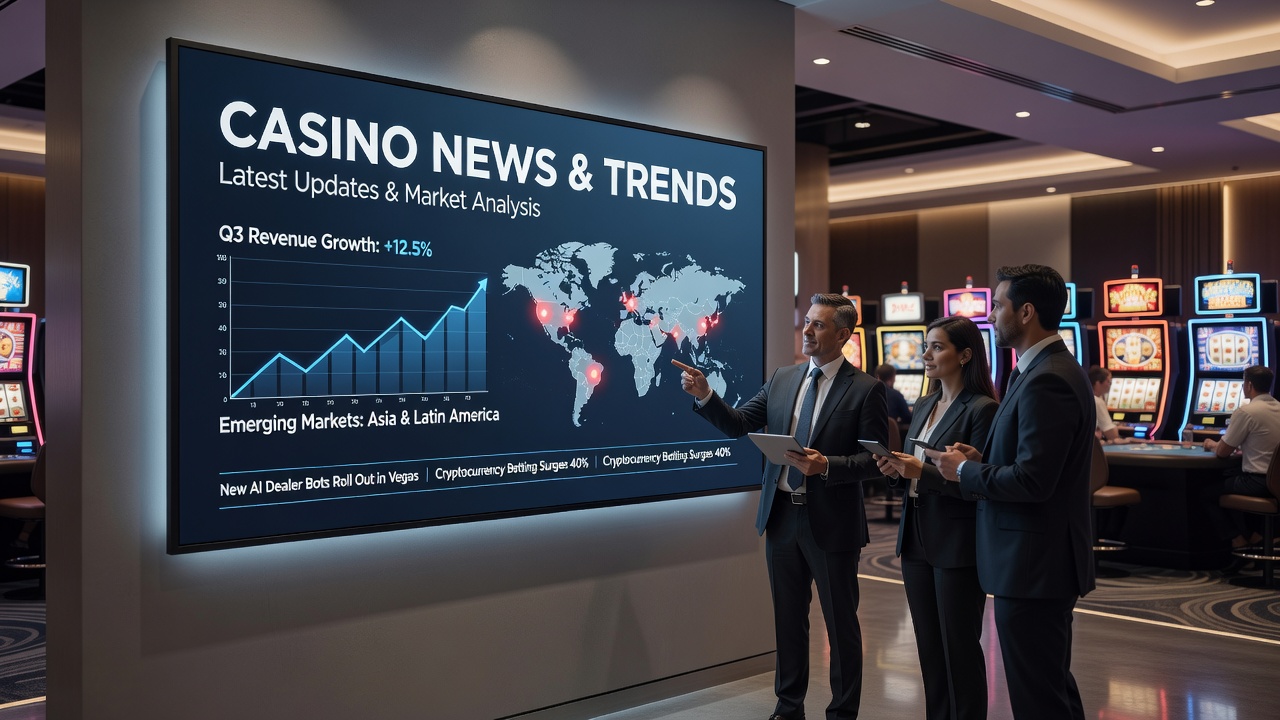
California's Assembly Bill 831 took effect on January 1, 2026, and removed an estimated one-fifth of national sweepstakes casino revenue according to industry tracking data, while similar measures followed in other jurisdictions throughout the year. Observers note that the bill targeted specific sweepstakes models and restricted certain promotional mechanics that operators had relied upon in the state, forcing immediate compliance adjustments across major platforms. Those who've studied the sector's revenue streams point out that California represented a significant portion of overall activity before the legislation passed, and the resulting contraction rippled through national operators who had built substantial user bases there.
State-Level Actions Expand Beyond California
Indiana's House Bill 1052 received signature in March 2026 with enforcement scheduled for July 1, adding another layer of restrictions that mirrored elements of California's approach. Earlier exits occurred in 2025 across Maine, New York, Connecticut, Mississippi, Louisiana, Montana, and Nevada, where operators either withdrew voluntarily or faced enforcement actions that limited sweepstakes-style offerings. Data from regulatory filings shows these states accounted for measurable market share, and their combined impact compounded the pressure that began building in late 2025. Researchers tracking legislative trends highlight that the sequence of bills reflected growing scrutiny from state attorneys general and gaming commissions focused on consumer protection and revenue classification.
Virtual Gaming Worlds, parent company of Chumba Casino and LuckyLand Slots, responded by exiting multiple restricted states and introducing new brands such as LuckyLand Casino and Just Slots to maintain presence in remaining markets. The company shifted resources toward portfolio engineering that diversified game offerings while emphasizing responsible-play messaging across platforms. Those monitoring operator filings note that similar adjustments appeared among competitors facing parallel regulatory environments, although Virtual Gaming Worlds executed the changes on a larger scale given its previous footprint.
Legal and Marketing Pressures Continue Into Mid-2026
Ongoing litigation in several jurisdictions created additional uncertainty for remaining operators, while marketing restrictions limited traditional advertising channels in states where sweepstakes models still operated legally. Figures from trade publications reveal that companies allocated increased budgets to alternative compliance strategies and user education campaigns during the first half of 2026. And in May 2026 some new entrants continued testing limited sweepstakes formats in states without active bans, although their scale remained smaller than pre-2026 operations. Academic studies on digital gaming regulation indicate that such phased entries often serve as test cases while broader legal challenges proceed through courts.
Alternative business models gained attention as operators explored social casino elements and skill-based variations that might navigate existing statutes more effectively. Evidence from company announcements shows Virtual Gaming Worlds and peers invested in these directions alongside core sweepstakes adjustments. People who follow regulatory dockets observe that the combination of state legislation, litigation outcomes, and marketing limits created a fragmented national picture by mid-year, with clear differences between states that had acted and those still evaluating similar measures.
Revenue Reallocation and Industry Adaptation Patterns
Revenue reallocation patterns emerged as operators redirected focus toward states with clearer regulatory pathways, and internal reports from major platforms documented measurable shifts in user acquisition spending. The National Council of Legislators from Gaming States published summaries in early 2026 that tracked bill introductions and effective dates across jurisdictions, providing a centralized reference for compliance teams. Those documents note that enforcement timelines varied, giving some operators brief windows to wind down operations while others faced immediate shutdowns upon bill activation.
Portfolio engineering efforts included reclassifying certain games and introducing new mechanics designed to align with updated definitions of sweepstakes activity. Responsible-play tools received expanded placement in user interfaces, a change documented in platform update logs released during the first quarter of 2026. Industry associations such as the American Gaming Association compiled member surveys that captured these adaptations without attributing specific percentages to individual companies.
Conclusion
The cumulative effect of Assembly Bill 831, House Bill 1052, and earlier state actions produced a narrower operating environment for sweepstakes casinos entering the second half of 2026. Virtual Gaming Worlds and comparable operators demonstrated concrete responses through exits, brand launches, and strategic pivots while litigation and marketing rules continued shaping available options. Data compiled by state regulators and trade groups shows the sector's geographic footprint contracted measurably compared with 2025 levels, and further legislative activity remained under discussion in additional states throughout the period.