Optimizing Sequential Game Handoffs Across Clustered Table Zones to Sustain Continuous Play Momentum During Compact Residential Events Supporting Community Welfare Projects
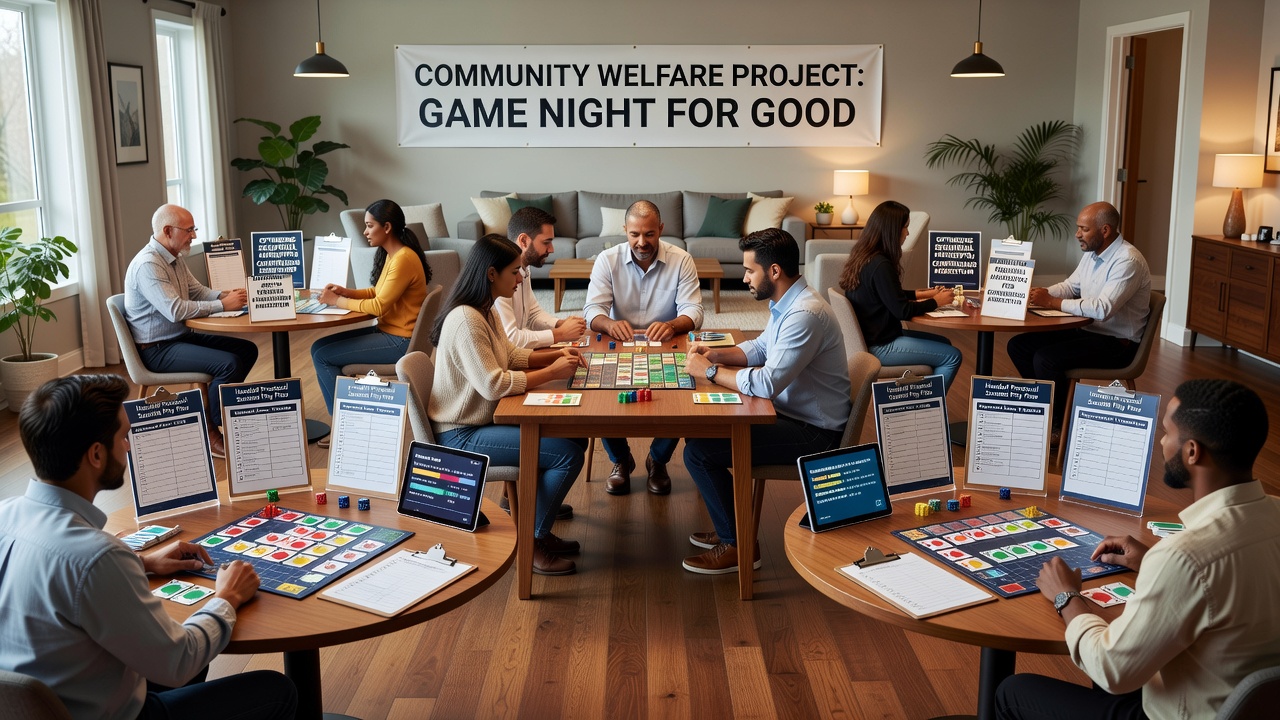
Community welfare events held in residential settings often rely on clustered table zones where multiple games operate simultaneously, and organizers have developed methods to manage sequential handoffs that keep play flowing without interruption. These setups appear in apartments and small homes hosting fundraisers, where space constraints require precise coordination between poker tables, roulette stations, and other stations. Data from recent charity gaming reports show that effective handoff protocols reduce downtime by up to 40 percent in events with 20 to 50 participants.
Defining Clustered Table Zones in Residential Layouts
Clustered table zones consist of grouped gaming stations positioned to maximize visibility and access while fitting within limited square footage, and researchers at event logistics programs have documented how these arrangements support rapid player movement. In July 2026, several neighborhood fundraisers in urban areas adopted zone-based designs that separated high-traffic games like blackjack from slower-paced options such as Let It Ride variants. This separation allowed coordinators to direct participants along predefined paths that minimized congestion around doorways and shared spaces.
Those who study residential event planning note that zone clustering also incorporates visual cues like colored table markers and floor tape, which help players identify their next station without verbal instructions. Figures from the American Gaming Association reveal that events using such markers maintained higher average session lengths compared with unstructured gatherings.
Mechanics of Sequential Game Handoffs
Sequential handoffs occur when players finish one game round and move to the next table according to a timed rotation schedule, and organizers achieve continuity by pre-assigning groups of four to six people per cluster. Each handoff cycle lasts between eight and twelve minutes, allowing dealers or volunteer hosts to reset chips and cards while the previous group clears the area. Observers have recorded that staggered start times across zones prevent bottlenecks, especially when one table reaches a natural break point like the end of a betting round.
Software applications designed for event management track player positions and send mobile notifications that signal upcoming transitions, and case studies from Canadian community gaming associations demonstrate how these tools cut coordination errors by nearly 30 percent. In compact settings, handoff sequences incorporate buffer zones where players wait briefly if the next station is still occupied, ensuring no table sits idle for more than 90 seconds.
Sustaining Play Momentum Through Coordinated Transitions
Momentum stays intact when handoff protocols align with natural game pauses, such as after a hand payout or a wheel spin, and coordinators use countdown timers visible to all participants. Research conducted by university hospitality programs indicates that synchronized audio cues, including short chimes, prompt movement without disrupting concentration. Events supporting local welfare projects in July 2026 integrated these timers with donation tracking systems that updated totals in real time as players rotated.
People managing multiple clusters often assign zone captains who monitor traffic flow and adjust group sizes on the spot, and data collected by the European Casino Association shows that captain oversight correlates with fewer dropped chips and smoother chip exchanges between tables. Buffer activities like quick trivia questions about the charity cause fill any micro-pauses, keeping engagement levels steady across the evening.
Adaptations for High-Density Housing and Welfare Goals
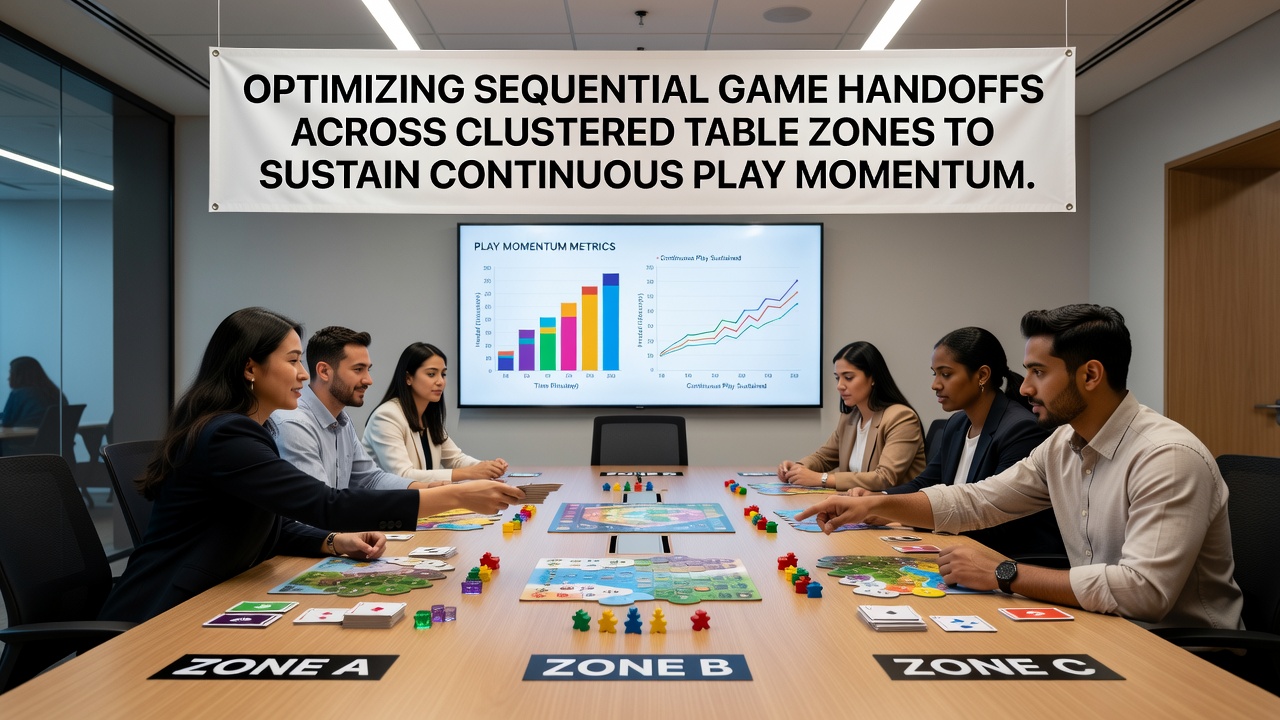
High-density residential events face additional constraints from shared walls and limited storage, which leads organizers to use foldable table extensions and magnetic chip holders that pack away quickly after play ends. Reports compiled by Australian gaming research centers highlight how these adaptations allow events to run three to four rotation cycles per hour while still directing a portion of each pot toward designated community projects. In one documented series of apartment-based gatherings, sequential handoffs supported continuous play for over four hours without requiring external staff.
Coordinators also map exit routes in advance so that late arrivals integrate into existing rotation patterns rather than halting progress at any single zone. This approach maintains revenue streams for welfare initiatives by preserving the number of active betting opportunities throughout the night.
Conclusion
Effective optimization of sequential game handoffs across clustered table zones enables residential events to deliver uninterrupted play that directly benefits community welfare projects. Organizations continue to refine these techniques through feedback loops that measure both participation rates and funds raised, and the patterns established in 2026 provide templates for future gatherings in similar compact environments.