Layered Felt Cutouts and Motion-Sensor Lighting Systems for Tracking Betting Activity in Community Gatherings
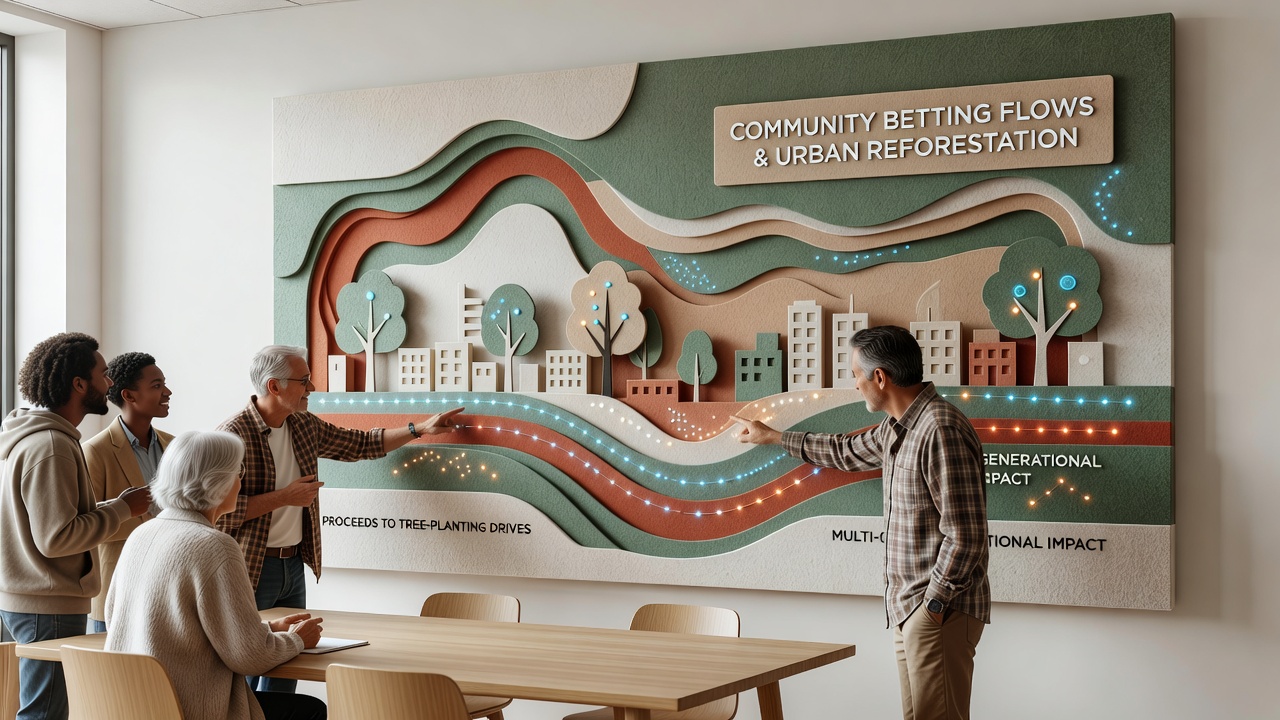
Communities have developed layered felt cutouts combined with motion-sensor lighting to monitor betting patterns during multi-generational gatherings where gaming activities generate funds for urban tree-planting programs. These systems consist of multiple felt layers cut into shapes that represent betting zones, chips, and player positions, while embedded sensors detect movement and trigger corresponding light displays that record activity without requiring constant manual oversight.
System Components and Technical Integration
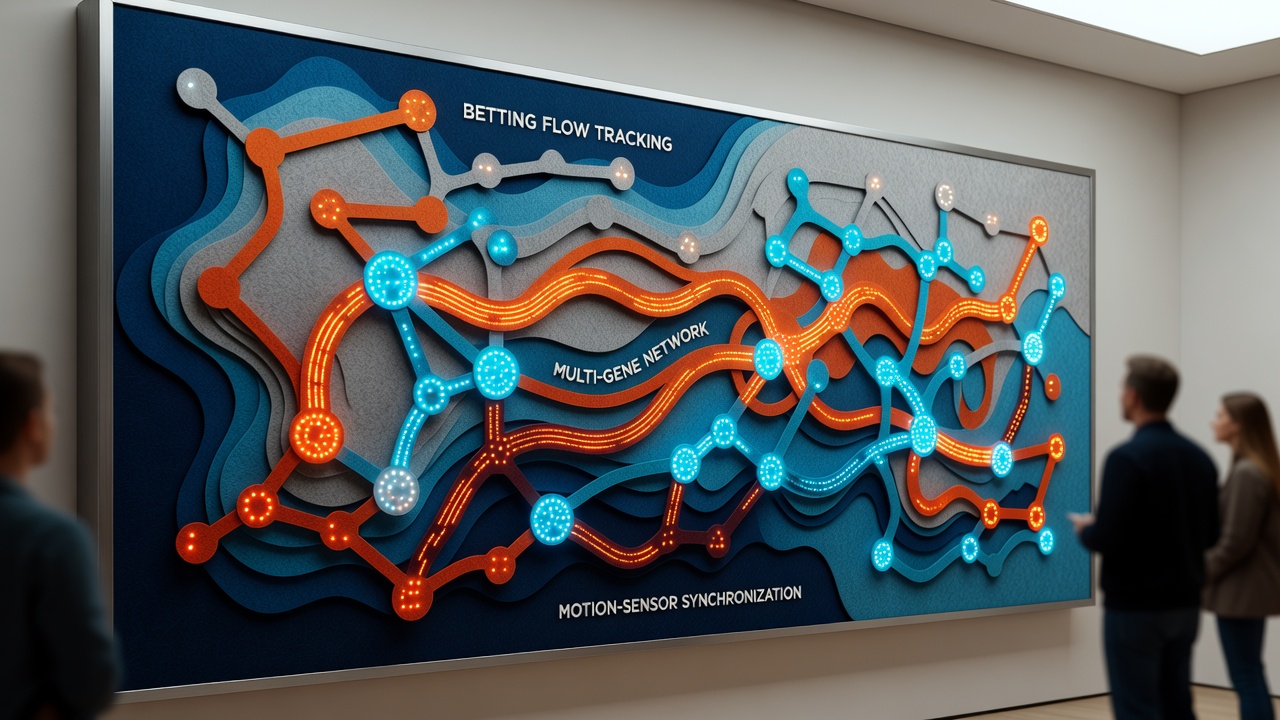
Each felt layer serves a distinct function with the base layer providing a stable surface marked for standard gaming layouts, the middle layer incorporating cutouts for chip placement indicators, and the top layer featuring removable sections that adjust based on game type. Motion sensors positioned beneath the felt activate when players move chips or cards, sending signals to overhead or side-mounted LED strips that change color or intensity to mark active betting areas. Data from these sensors feeds into simple logging software that tallies total bets placed over the course of an event, allowing organizers to calculate proceeds allocated to tree-planting initiatives.
Setup begins with aligning the felt layers on standard tables using magnetic strips or Velcro attachments that prevent shifting during use. Sensors connect wirelessly to a central hub that timestamps each activation, creating a chronological record of betting flows across different age groups participating in the same session. Technicians calibrate the lighting to avoid distractions while ensuring visibility for participants who range from teenagers to grandparents attending the same gathering.
Application Across Multi-Generational Events
Events employing this technology often occur in community centers, recreation halls, and private residences where multiple generations gather for structured gaming sessions. Organizers divide tables into zones that accommodate varying experience levels, with younger players using simplified betting options tracked by distinct light patterns while experienced participants engage in more complex games monitored through separate sensor channels. The synchronized lighting helps maintain order by visually signaling when a betting round concludes, reducing confusion in crowded spaces.
Records from such gatherings show consistent participation rates across age demographics, with data indicating that sensor-tracked events maintain higher accuracy in fund collection compared to manual counting methods. In June 2026 several regional programs reported using these setups to process over 200 individual betting transactions per evening while directing net proceeds directly to municipal urban forestry departments responsible for planting native species in city parks and along streets.
Allocation of Proceeds to Urban Tree-Planting Drives
Funds collected through these tracked betting activities transfer to designated urban forestry accounts managed by local governments or nonprofit partners. Organizers establish clear accounting procedures that separate gaming revenue from other donations, ensuring transparency when reporting totals to participants and municipal tree-planting coordinators. Each event concludes with a summary generated from sensor data that lists total bets, average wager amounts per table, and the final amount earmarked for tree purchases and planting labor.
Partnerships with city agencies allow event hosts to specify tree species suited to local climate conditions, such as drought-resistant varieties for arid regions or pollinator-supporting species in temperate zones. According to the U.S. Forest Service, urban tree-planting programs supported by community fundraising have documented survival rates above 85 percent when proper site preparation and species selection occur. Additional support comes from the Canadian Institute of Forestry, which provides research on community-driven reforestation metrics that event organizers reference when planning allocation strategies.
Operational Considerations and Data Tracking
Maintenance of the felt and sensor systems involves periodic inspection of wiring connections and replacement of worn felt sections after repeated use. Event coordinators train volunteers on basic troubleshooting so that lighting failures do not interrupt betting flow during peak hours. Software interfaces display real-time totals on a single monitor visible only to designated staff, preserving participant privacy while delivering accurate financial summaries at the end of each session.
Communities report that the visual feedback from motion-sensor lights increases engagement because participants can observe their own activity reflected in the changing illumination patterns. This feature proves especially useful in multi-table setups where different games run simultaneously and organizers need to monitor overall betting volume without stationing staff at every position. Aggregated data from multiple events helps planners adjust table configurations and game selections to optimize both participation and revenue generation for subsequent tree-planting cycles.
Conclusion
Layered felt cutouts synchronized with motion-sensor lights provide a practical method for tracking betting activity during gatherings that direct proceeds toward urban tree-planting efforts. The combination of physical layering, wireless detection, and visual signaling creates a system that functions across varied participant groups while maintaining clear financial records. As municipalities continue expanding urban forestry programs, these event technologies offer communities a structured approach to generating consistent support for local environmental projects through organized gaming activities.