Kewadin Casinos Rolls Out Ambitious Multi-Year Renovation for Michigan's Five Properties

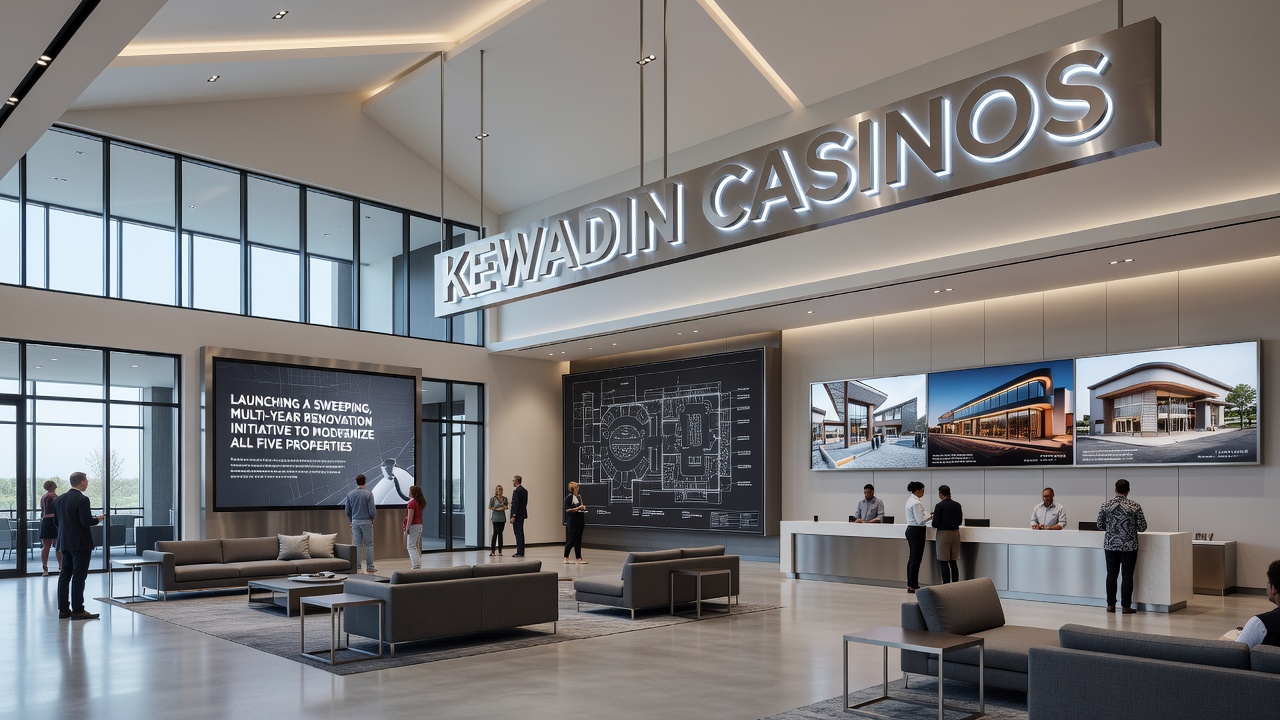
Kewadin Casinos has launched a sweeping multi-year renovation initiative covering all five of its casino properties throughout Michigan, with work aimed at updating facilities and enhancing overall operations across each location. The project encompasses a coordinated effort to modernize infrastructure, guest areas, and support systems while keeping the properties fully operational during phased construction periods. Observers note that such initiatives often proceed in stages to minimize disruption for visitors and staff alike.
The announcement highlights plans to refresh everything from gaming floors to hospitality amenities at sites including the flagship property in Sault Ste. Marie along with locations in St. Ignace, Christmas, Hessel, and Manistique. Each venue will receive targeted improvements designed to align with contemporary standards in lighting, accessibility, and entertainment spaces according to project outlines shared through industry channels. Data from similar regional updates shows these changes typically support increased visitor retention over time.
Scope of the Modernization Effort
Project leaders have outlined a timeline that stretches across multiple years beginning in mid-2026, with initial phases focused on core structural updates and later stages addressing specialized features like expanded dining options and technology integrations. The effort targets comprehensive facility enhancements rather than isolated fixes, ensuring consistency across the portfolio. Experts in hospitality development point out that multi-site renovations of this scale require careful coordination of contractors, suppliers, and regulatory approvals from bodies such as the Michigan Gaming Control Board.
Key elements include upgrades to HVAC systems, flooring, and interior layouts at every property, while select locations will see additions like improved parking structures and outdoor recreation zones. These modifications build on existing frameworks without altering the fundamental character of each casino. Figures from the National Indian Gaming Commission indicate that facility investments in tribal gaming operations have grown steadily in recent cycles, reflecting broader trends toward sustained capital improvements.
Timeline and Phased Implementation
Work is scheduled to commence in June 2026 at the Sault Ste. Marie property before expanding sequentially to the remaining sites, allowing teams to apply lessons learned across the network. Construction crews will prioritize off-peak periods for major disruptive tasks, maintaining normal business hours for most of the duration. This approach mirrors strategies employed in other large-scale hospitality projects where continuous revenue streams remain essential.
By spreading activities over several years the initiative avoids overwhelming any single location while permitting incremental testing of new systems before full rollout. Progress reports will be issued periodically to keep stakeholders informed, with milestones tied to specific deliverables such as completed guest room refreshes or gaming floor expansions. Those monitoring tribal gaming operations note that transparent scheduling often correlates with smoother regulatory reviews.
Regional Economic Context
The renovations occur against a backdrop of steady growth in Michigan's gaming sector, where properties like those operated by Kewadin contribute significantly to local employment and tourism. Updates to facilities can support these contributions by attracting a wider range of visitors seeking updated experiences. Research compiled by the University of Nevada, Las Vegas Center for Gaming Research has documented how property investments in comparable markets lead to measurable upticks in regional economic activity.
Supply chain considerations play a role as well, with materials and labor sourced to meet both quality benchmarks and project deadlines. Coordination with local vendors helps sustain economic benefits within the communities surrounding each casino. Government reports from the U.S. Bureau of Economic Analysis track similar patterns in hospitality capital expenditures, underscoring their role in job creation during implementation phases.
Operational Considerations During Upgrades
Throughout the renovation period Kewadin staff will implement measures to ensure guest comfort remains a priority, including temporary wayfinding signage and alternative access routes around construction zones. Training programs for employees will cover new equipment and layouts as they come online. Such preparations help maintain service levels even as physical changes unfold.
Technology enhancements form another pillar of the initiative, encompassing point-of-sale systems, security infrastructure, and digital interfaces for players. These elements integrate with existing frameworks to provide seamless transitions once complete. Industry associations such as the American Gaming Association have compiled case studies showing that phased technology rollouts reduce downtime adn improve long-term reliability metrics.
Conclusion
The multi-year renovation initiative at Kewadin Casinos represents a substantial commitment to modernizing its five Michigan properties through systematic updates and facility enhancements. With work unfolding in coordinated phases starting June 2026, the project positions the venues for continued relevance in a competitive market. Ongoing documentation from regulatory and research entities will provide further insight into outcomes as milestones are achieved.