Incorporating Themed Costume Elements to Increase Donation Amounts at Multi-Table Gaming Gatherings for Animal Rescue Organizations
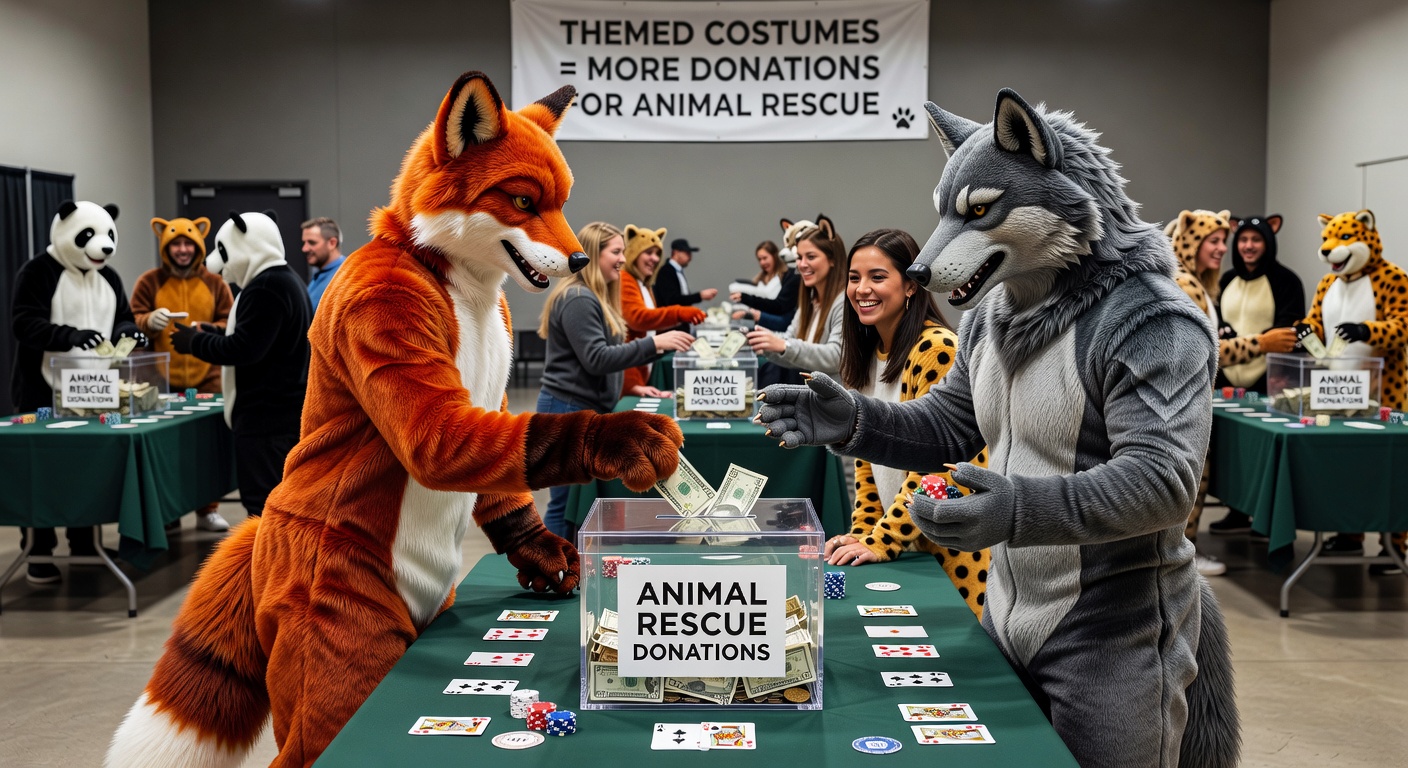
Multi-table gaming gatherings organized for animal rescue groups combine poker, blackjack, roulette, and similar table games with fundraising goals, and costume elements tied to animal themes have become a documented feature at many such events. Organizers coordinate these nights across multiple venues where participants buy in for chips, compete at tables, and convert winnings or additional purchases into direct donations, while costumes add a layer of visual engagement that encourages repeated contributions throughout the evening.
How Costumes Integrate with Gaming Formats
Event planners select animal rescue themes such as endangered species, shelter pets, or wildlife motifs, and attendees arrive in coordinated outfits ranging from simple ears and tails to full character ensembles that match game tables named after specific rescues. Data collected from charity gaming nights shows that costume participation correlates with higher per-person spending on re-buys, side bets, and auction items, because the visual cues keep the rescue mission visible during play. Researchers tracking donation patterns across regional events have noted that tables with themed dealers or props generate longer average session times, which in turn increases the total chips purchased and the final amounts transferred to the organizations.
Documented Effects on Contribution Levels
Studies of charity casino nights indicate that incorporating costumes lifts total donations by measurable percentages when compared to standard dress-code events. Figures from multiple gatherings reveal that costume contests held between rounds or at intermission points prompt additional bids, often routed straight to medical care funds or adoption drives for the featured rescues. In June 2026 several multi-table events across North America reported donation increases ranging from 18 to 27 percent when animal-themed attire was required or strongly encouraged, according to post-event summaries compiled by participating nonprofits. These gains appear tied to both higher individual spending and expanded word-of-mouth promotion before the night takes place.
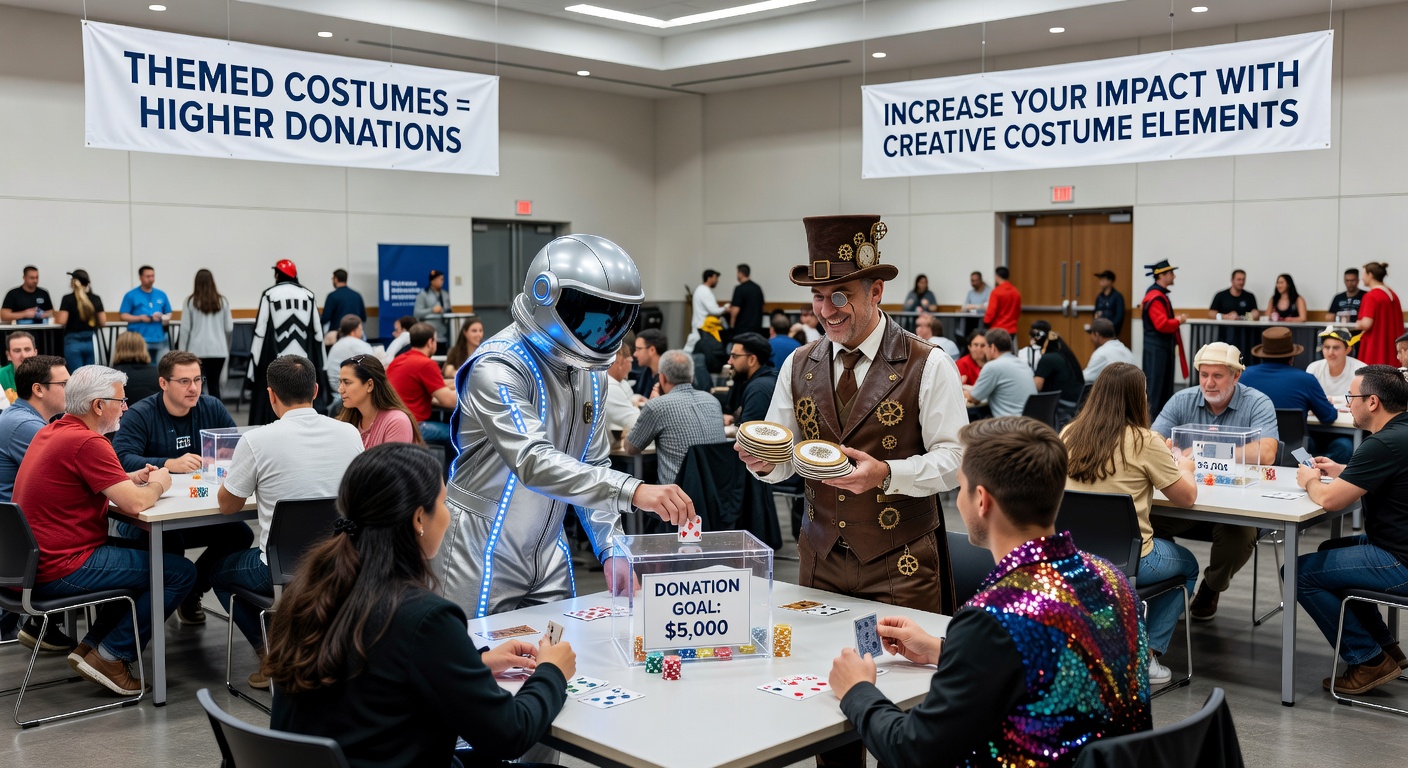
Costume-related activities such as photo stations and social media prompts extend the reach of the event beyond the physical venue, drawing in remote supporters who contribute through online tip jars or virtual raffles. Observers at these gatherings report that participants wearing costumes are more likely to engage with on-site merchandise sales, where proceeds fund spay-neuter programs or emergency transport for the rescues.
Practical Approaches Used by Organizers
Successful events begin with clear costume guidelines distributed weeks in advance, often paired with suggested color palettes that align with the branding of the featured animal organizations. Table layouts incorporate matching centerpieces and dealer vests so that every station reinforces the theme without interrupting game flow. Registration systems allow attendees to pre-select costume categories, which helps planners allocate space for changing areas and photography backdrops. Supply lists frequently include reusable accessories sourced from local makers, keeping costs low while supporting small businesses that may also donate a portion of sales back to the cause.
Coordination between gaming vendors and rescue staff ensures that costume judging occurs during natural breaks in play, such as between tournament rounds or after a scheduled break. Prizes for best costumes are typically small gift certificates or branded items that further publicize the rescues, creating a cycle where visibility drives additional donations. Venues track these interactions through simple tally sheets or digital forms so that final reports can attribute specific revenue streams to the costume component.
Examples from Recent Gatherings
One series of events held in the Midwest during 2025 and early 2026 featured “Adopt-a-Species” tables where each poker or blackjack station represented a different shelter animal; participants who arrived in matching attire received bonus starting chips. Records from those nights showed elevated final donation totals compared with prior years that lacked the costume requirement. Another gathering in a western state introduced a costume parade between the main tournament and the final auction, resulting in a documented spike in live bids placed on experience packages. These cases illustrate how the costume element functions as both entertainment and a continuous reminder of the fundraising purpose.
Measurement and Reporting Practices
Nonprofit groups that host recurring gaming nights maintain standardized tracking methods to isolate the impact of themed elements. They compare average donation per attendee across themed versus non-themed nights, record the number of costume-related photo shares, and log the timing of extra purchases. Industry reports from gaming and events associations note that transparent reporting builds donor confidence, which supports repeat attendance in subsequent years. Such data collection remains straightforward when organizers integrate costume categories into the initial registration and settlement processes.
Conclusion
Multi-table gaming events for animal rescue organizations continue to refine the use of themed costumes as a structural component rather than an optional add-on. Available figures indicate measurable lifts in donation totals when costumes are integrated with table design, contest timing, and post-event promotion. Continued documentation of these practices across different regions supplies organizers with concrete reference points for planning future gatherings that maintain both entertainment value and financial outcomes for the rescues they support.