Examining Ergonomic Considerations for Seating Arrangements That Support Prolonged Engagement in Group Card Playing Activities for Nonprofit Organizations
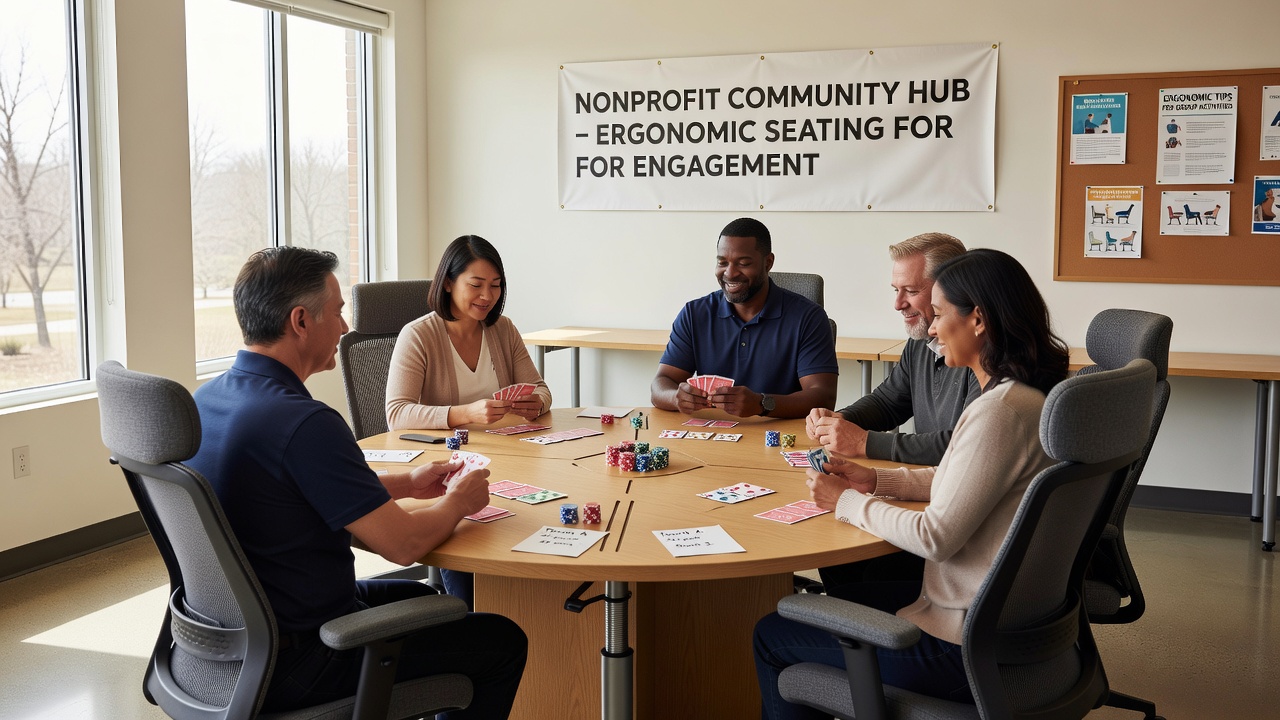
Nonprofit organizations frequently organize group card playing activities such as bridge tournaments, poker nights, and bingo sessions to raise funds while fostering community connections, and these events often extend for several hours at a time. Seating arrangements play a central role in maintaining participant comfort and focus throughout such durations, because poor posture and inadequate support lead to physical strain that reduces engagement levels over time.
Researchers from various health institutions have documented how adjustable seating components influence circulation, spinal alignment, and muscle fatigue during seated activities that last beyond two hours. Data from occupational studies indicate that chairs with lumbar support and proper seat depth allow individuals to maintain neutral spine positions, which in turn supports sustained attention at card tables without frequent position changes.
Core Elements of Ergonomic Chair Design for Extended Sessions
Chair height adjustment mechanisms enable participants to position their feet flat on the floor while keeping thighs parallel to the ground, and this configuration distributes weight evenly across the seat pan. Backrests that tilt between 100 and 110 degrees from the seat surface reduce pressure on the lower back, according to guidelines issued by the Occupational Safety and Health Administration. Armrests positioned at elbow height further decrease shoulder tension, particularly when players reach across tables to handle cards and chips during active rounds.
Seat cushions made from high-density foam retain shape under repeated use, whereas softer materials compress over time and create uneven pressure points. Nonprofit event planners often select stackable yet supportive models because storage constraints in community venues limit options for permanent furniture. Studies conducted by university ergonomics programs show that breathable fabric covers prevent heat buildup, which otherwise contributes to restlessness after three or four hours of continuous play.
Table Height and Spatial Layout Considerations
Standard folding tables used in many nonprofit venues sit at heights that force players to hunch forward, and adjustable-height models or added risers correct this mismatch by aligning tabletops with seated elbow levels. Observers note that circular table arrangements promote equal access to central card areas while allowing sufficient legroom between adjacent chairs, reducing the need for awkward twisting motions when players interact with neighbors.
Spacing requirements become critical when events accommodate larger groups, since crowding restricts natural shifts in posture that relieve muscle tension. Data collected from community center records reveal that layouts providing at least 30 inches of personal space per participant correlate with longer average session attendance before breaks occur. Lighting positioned above tables minimizes shadows on playing surfaces, which indirectly supports ergonomic posture by discouraging forward leaning to view cards clearly.
Practical Implementation Strategies for Nonprofit Events
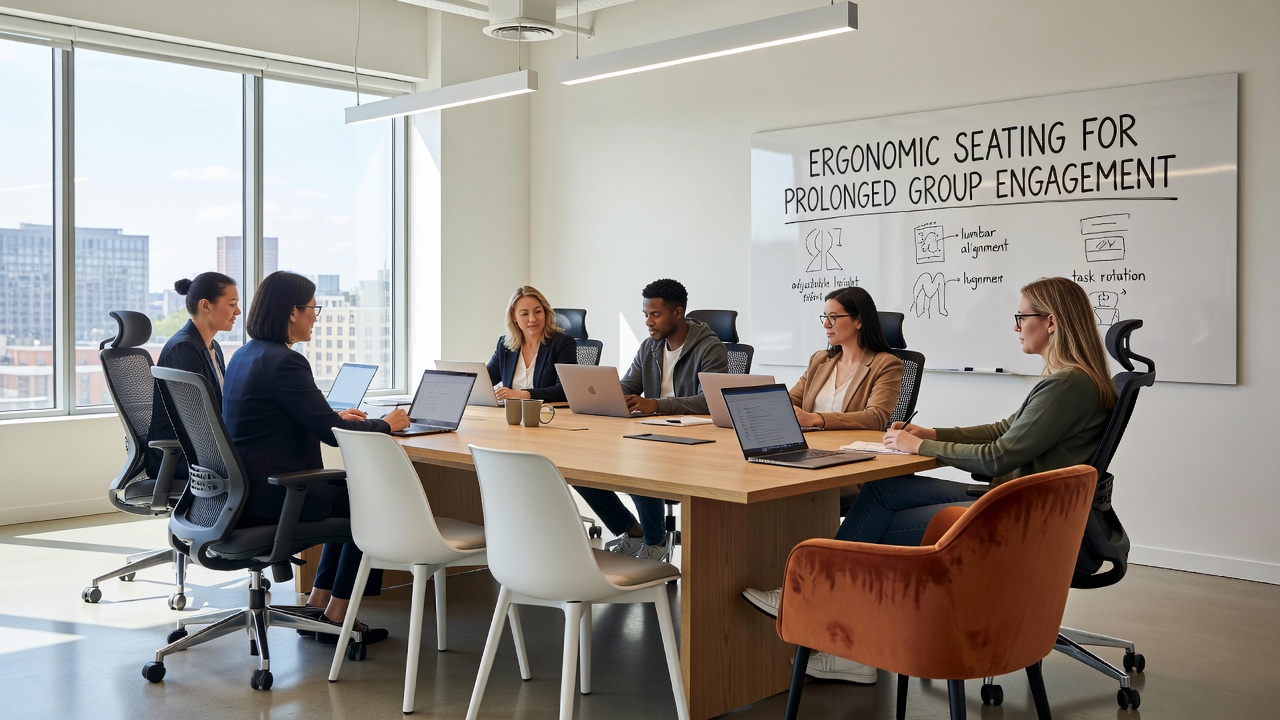
Event coordinators in nonprofit settings often begin by assessing venue floor surfaces, because uneven or hard floors amplify discomfort when chairs lack adequate padding or casters. Wheel-equipped bases facilitate quick rearrangements between game formats without requiring participants to stand repeatedly, and this mobility preserves energy for the card activities themselves. Training volunteers on basic ergonomic principles ensures consistent setup across multiple events, and organizations such as the Canadian Centre for Occupational Health and Safety provide free reference materials that outline these fundamentals.
Funding limitations typical of nonprofits lead many groups to retrofit existing chairs with lumbar cushions and footrests rather than purchasing entirely new sets. Partnerships with local businesses sometimes supply equipment donations, while grant applications increasingly cite ergonomic improvements as factors that enhance participant retention and repeat attendance at fundraising functions. Reports from regional health agencies show measurable decreases in reported discomfort when such modifications receive consistent application across successive events.
Supporting Sustained Participation Through Environmental Factors
Air circulation and temperature control interact with seating comfort because stagnant environments accelerate fatigue even when chairs meet basic standards. Nonprofit venues equipped with portable fans or positioned near windows benefit from reduced stuffiness that otherwise prompts early departures. Hydration stations placed within arm's reach further complement ergonomic seating by minimizing the physical effort required to maintain comfort during multi-hour sessions.
Rotation schedules that encourage brief standing breaks every 90 minutes integrate well with thoughtful seating designs, allowing muscles to reset without disrupting game flow. Figures from community health surveys indicate higher satisfaction ratings among participants when both furniture and break protocols receive coordinated attention. Organizations tracking attendance patterns through July 2026 have noted stable engagement metrics when these combined approaches become standard practice.
Conclusion
Effective seating arrangements for nonprofit card playing events rest on measurable principles of adjustability, support, and spatial planning that directly influence how long participants remain comfortable and attentive. Organizations that apply these considerations report consistent turnout across repeated fundraisers, and resources from established health authorities continue to guide practical adaptations within budget realities. Continued attention to these factors positions nonprofits to maximize both the social and financial outcomes of their group activities.