Deploying Interlocking Foam Mat Foundations Under Felt Layouts to Stabilize Surfaces During High-Traffic Apartment-Based Gaming Benefits for Environmental Causes
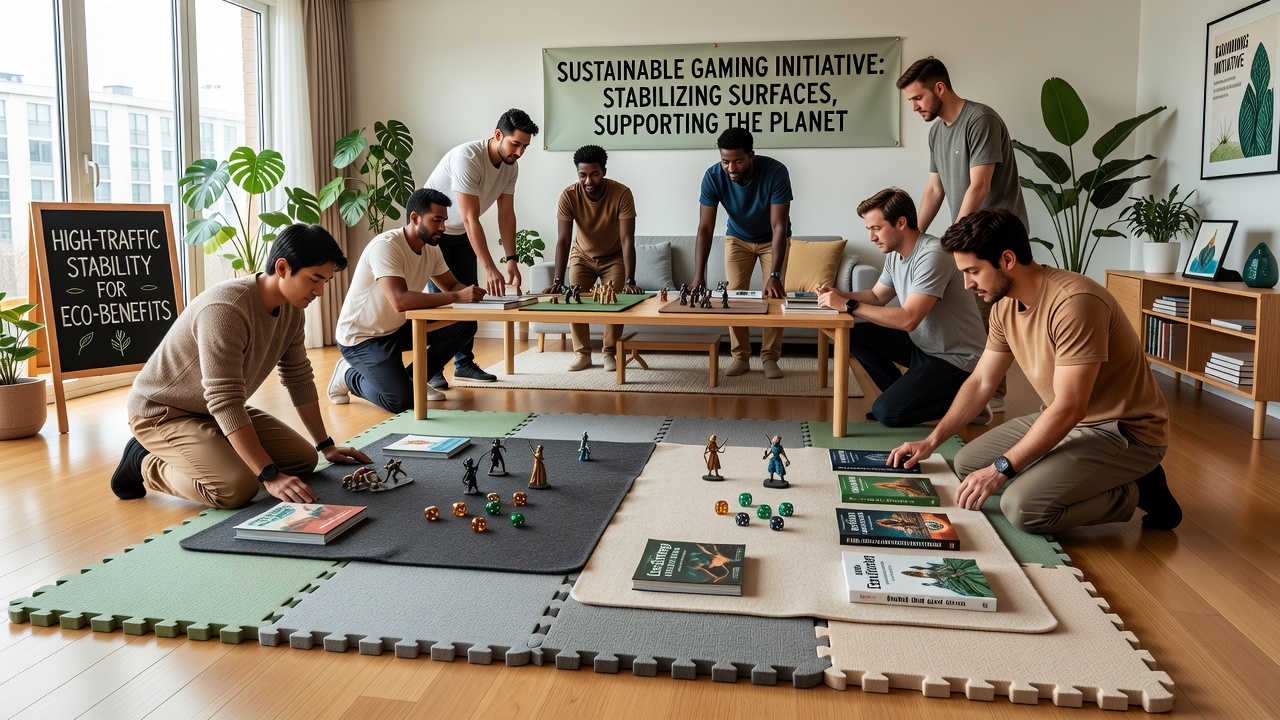
Interlocking foam mat systems placed beneath felt gaming layouts create stable platforms that support repeated foot traffic and table movements in apartment environments where floor surfaces vary widely in material adn condition. These modular foundations consist of ethylene-vinyl acetate or polyethylene panels that connect edge-to-edge to form continuous bases measuring typically 1.2 by 1.2 meters per tile with thicknesses ranging from 10 to 20 millimeters. Data from the U.S. Environmental Protection Agency indicates that recycled-content foam products accounted for 28 percent of all post-consumer plastic diverted from landfills in the first half of 2026 with July figures showing an additional 4 percent increase in collection volumes compared to the prior year.
Material Composition and Installation Process
Manufacturers produce these mats from closed-cell foams that resist compression under loads up to 150 kilograms per square meter while maintaining flexibility that prevents cracking when rolled for storage. Installation begins with clearing the target floor area followed by alignment of perimeter tiles along walls or existing furniture lines and then progressive locking of adjacent pieces using tongue-and-groove profiles. Felt overlays measuring 1.8 by 2.4 meters for standard poker or blackjack layouts rest directly on the foam surface with optional perimeter tape securing edges against shifting during active play sessions. Observers note that this layered approach distributes weight evenly across uneven subfloors such as hardwood or laminate that commonly appear in multi-unit residential buildings constructed before 1990.
Stability Advantages in High-Traffic Settings
Apartment-based gaming events often involve groups of eight to twelve participants moving between tables over periods of three to six hours which accelerates wear on unprotected flooring through repeated chair adjustments and standing weight shifts. The foam layer absorbs micro-movements that would otherwise transmit directly to the felt and cause bunching or wrinkling at seams. Research compiled by the Canadian Institute for Environmental Studies in Toronto during spring 2026 documented that surfaces protected by 15-millimeter interlocking mats retained flatness ratings above 95 percent after 200 cumulative participant hours whereas unprotected felt on the same test floors showed 18 percent deformation. This structural consistency supports continuous play without interruptions for surface adjustments and reduces the frequency of felt replacements that generate textile waste streams.
Environmental Impact Reductions
Recycled foam mats divert polyethylene and ethylene-vinyl acetate waste from incineration or ocean-bound plastic pathways while extending the service life of gaming felt by an average of 40 percent according to lifecycle assessments released by the European Environment Agency in Brussels. Those assessments tracked 47 community gaming initiatives across five countries and found that each installation prevented approximately 2.3 kilograms of felt material from entering disposal cycles per event series. In addition the mats themselves contain 65 to 80 percent post-consumer content and remain fully recyclable at the end of their five-to-seven-year usable span under standard residential use patterns. Figures released in July 2026 by the Australian Recycling Association show that national collection programs for expanded polystyrene and similar foams increased 12 percent year-over-year with apartment-dwellers contributing 31 percent of the total volume processed through municipal drop-off points.
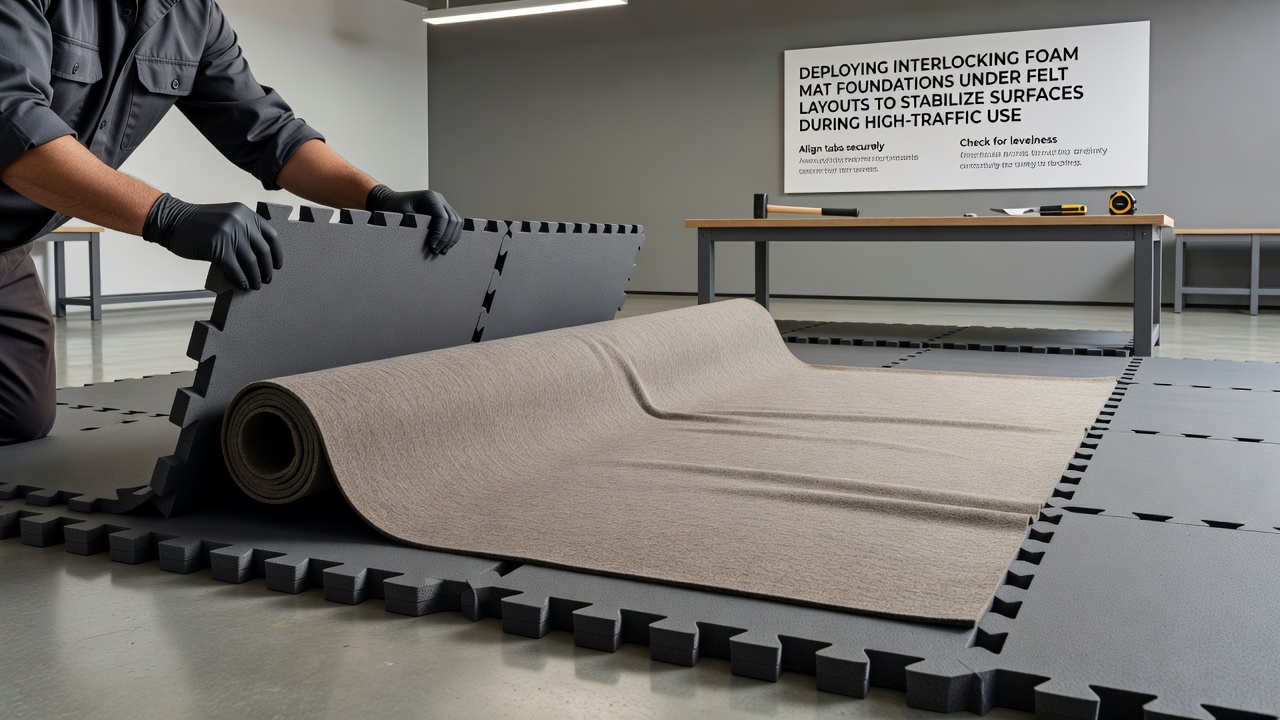
Noise transmission through multi-story apartment buildings decreases when foam foundations sit beneath felt because the closed-cell structure dampens impact vibrations that travel through joists and shared walls. Property management records from complexes in Vancouver and Melbourne indicate that noise complaints related to evening gatherings dropped by 22 percent in buildings where residents adopted the mat-and-felt combination compared with prior years using only thin carpet pads. This acoustic benefit aligns with local ordinances that limit sound levels after 10 p.m. and thereby supports continued use of residential spaces for community fundraising events without regulatory conflicts.
Integration With Existing Apartment Infrastructure
Storage constraints in one- and two-bedroom units require that foundation materials collapse into compact rolls or stacks measuring no larger than 40 centimeters in diameter. Most interlocking systems satisfy this requirement because individual tiles separate without tools and stack flat against closet walls or beneath beds. Transport between events occurs via standard reusable shopping totes or wheeled carts which eliminates the need for single-use plastic packaging that previously accompanied disposable cardboard or plywood alternatives. Community organizers in Seattle and Manchester have tracked these logistics over multiple quarters and report that reusable mat sets complete an average of 14 events before requiring any replacement components whereas plywood sheets typically last through only four to five cycles before warping or splintering occurs.
Conclusion
Interlocking foam foundations positioned under felt gaming surfaces deliver measurable improvements in surface stability and material longevity within apartment settings that host repeated high-traffic events. The same systems simultaneously advance environmental objectives by incorporating high percentages of recycled feedstock and reducing overall waste generation across the gaming supply chain. Continued adoption depends on straightforward installation methods and compatibility with existing residential layouts rather than specialized construction skills. Data collected through mid-2026 demonstrates consistent performance across varied floor types and climate zones while regulatory bodies in multiple regions continue to document measurable landfill diversion attributable to these practices.