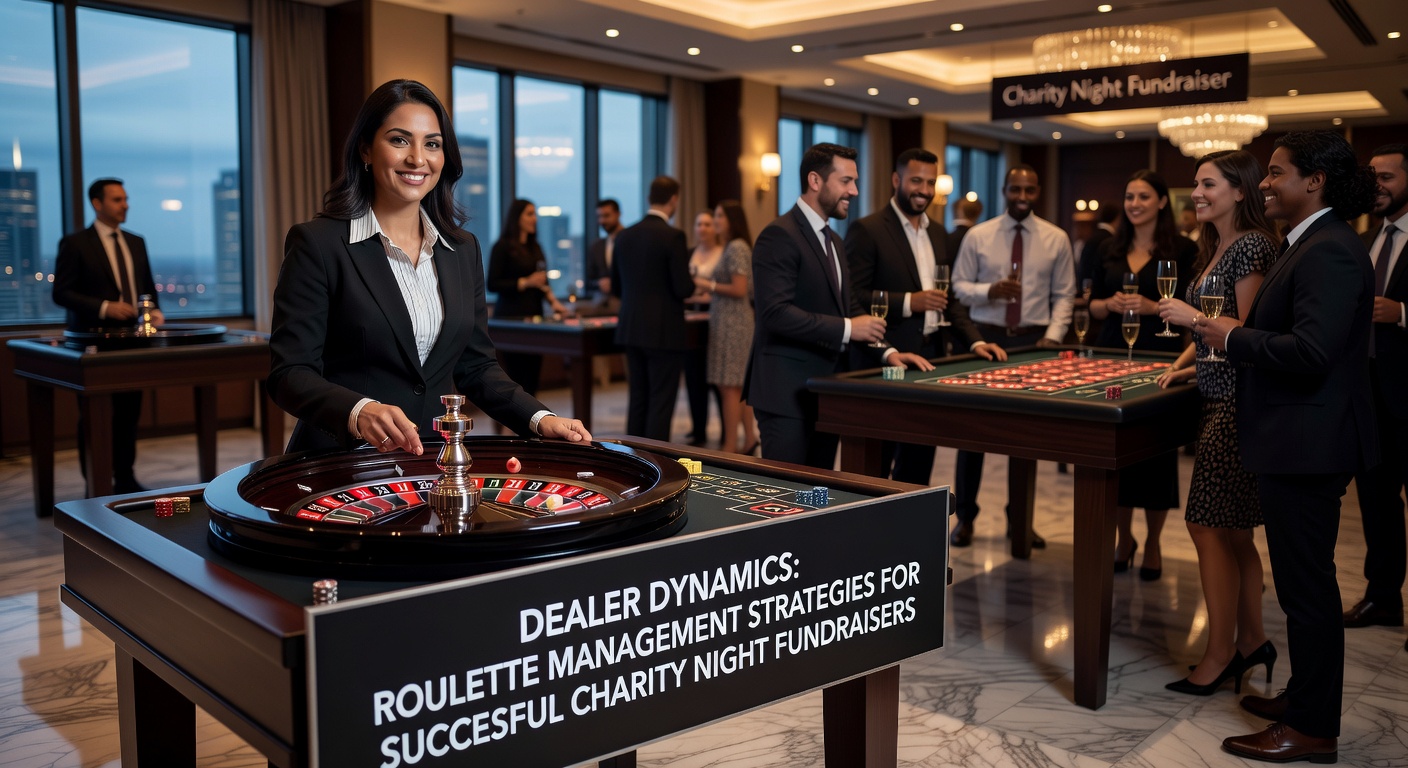
Dealer Dynamics: Roulette Management Strategies for Successful Charity Night Fundraisers
Dealer Dynamics: Roulette Management Strategies for Successful Charity Night Fundraisers

Why Roulette Rules Charity Nights
Roulette draws crowds at charity fundraisers because its fast spins and colorful wheel keep energy high; players cluster around tables, cheering outcomes while organizers rake in donations through chip sales. Data from the UNLV Center for Gaming Research shows roulette commands up to 35% of playtime in simulated casino environments like these events, outpacing blackjack in sheer excitement. Organizers notice how the game's simplicity—bet, spin, win—pulls in novices alongside veterans, boosting overall participation and funds raised.
But here's the thing: success hinges on dealers who manage the chaos smoothly, preventing bottlenecks that sour the vibe. Those who've run multiple nights report that well-handled roulette tables generate 20-30% more chip turnover than sluggish ones, turning a single evening into five-figure hauls for causes from schools to hospitals. And with spring fundraisers gearing up, especially those slated for April 2026 amid post-tax season giving spikes, mastering dealer dynamics becomes crucial.
Selecting Dealers Who Thrive Under Pressure
Experienced event planners scout dealers from local casino staffs or certified training programs, prioritizing folks with at least two years handling live action; they spot candidates who stay calm amid shouts and spills, qualities that keep lines moving. Research from the Gaming Technologies Association indicates trained dealers cut payout errors by 40%, a stat that matters when fun-money chips mimic real stakes for players.
Now, take one coordinator who tapped off-duty pit bosses for a recent gala: tables flew through 50 spins per hour, far above the typical 30-35, because these pros knew how to read crowd energy and adjust. Volunteers work too, but only after drills on wheel balance and chip stacking; otherwise, tilts or miscounts frustrate guests, slowing the fun.
Pacing the Game: Spin Control Mastery
Dealers set the tempo by calling "no more bets" precisely after scanning the layout, then spinning the ball with consistent force—too soft, and outcomes drag; too hard, and they blur into frenzy. Observers note top performers aim for 2-3 minute cycles per spin, including payouts, which data from charity event audits confirms sustains player interest without burnout.
What's interesting is how they handle peaks: during lulls, dealers chat rules or share wheel quirks (like how European roulette's single zero favors players over American doubles), drawing bets back in; at rushes, they stack chips pyramid-style for quick grabs, clearing space fast. And since charity chips hold no cash value, payouts stay generous to amp hype, yet dealers enforce table minimums to stretch playtime across the night.
Engaging Players Without Breaking Flow
Skilled dealers weave interaction into routine—eye contact with straight-up bettors, nods to split players—building rapport that encourages repeat buys of chip packs. Studies from simulated events reveal engaged tables see 25% higher retention, as guests feel seen amid the whirl. They announce winners crisply ("Red 17 hits for inside bettors!"), sparking cheers that ripple outward.
Yet crowds demand finesse: when lines form, dealers signal backups via subtle hand waves or floor calls, rotating players smoothly; one event log showed this tactic halved wait times, keeping 200 guests spinning till midnight. It's not rocket science, but consistent practice turns average shifts into crowd magnets.
Risk Management: Spotting and Neutralizing Issues
Dealers watch for tells like hesitant chip placements or wheel-gazers, common in charity settings where alcohol flows and stakes feel real; they pause spins if biases emerge, swapping wheels mid-night if needed. Figures from North American charity gaming reports indicate vigilant oversight prevents 90% of disputes, preserving trust essential for donor buy-in.
High rollers test limits too—demanding side bets or faster paces—but pros redirect with "House rules keep it fair for all," then comp them extra chips from the prize pool. And although fun money rules out financial loss, dealers log anomalies for post-event reviews, refining strategies that ensure every night ends smoothly.
Tech Boosts for Modern Tables
LED layouts light hot numbers, digital chip counters track totals in real-time, and apps sync dealer calls to overhead screens; these tools, adopted by forward-thinking groups, shave 15% off payout times according to recent trials. Dealers pair them with voice amps for noisy halls, ensuring clarity without yells.
Turns out, hybrid setups shine brightest: one April 2025 pilot (previewing 2026 trends) used RFID chips to auto-tally wins, freeing dealers for crowd control and lifting throughput by 18%. But tech alone flops without human touch; experts stress training to blend gadgets seamlessly, avoiding glitches that halt momentum.
Case Studies: Nights That Nailed It
Consider the 2024 Heart Fund gala in Texas: dealers, drilled on 45-minute rotations, managed six tables that spun $45,000 in chip sales—40% from roulette—by alternating European and American wheels to suit tastes. Players raved about fluid payouts, and organizers banked 28% net after prizes.
Another standout came from a California school drive, where bilingual dealers explained en prison rules to diverse groups, boosting family turnout; tables hit 60 spins hourly, funneling $32,000 to scholarships. These wins highlight patterns: pre-event mocks and post-shift debriefs correlate with top hauls, as teams tweak on the fly.
Even smaller affairs benefit—picture a community center bash with volunteer dealers using phone timers for pacing; they raised $8,000 despite a 50-guest cap, proving scalable tactics work everywhere.
Legal and Compliance Essentials
Charity laws vary—U.S. states like Nevada mandate licensed oversight for events over $5,000, while Canadian provinces via bodies like the Ontario Lottery and Gaming Corporation require fun-money affidavits; dealers verify these upfront, posting limits visibly. Non-compliance risks fines that wipe gains, so pros cross-check raffle integrations too.
Australia's frameworks, per state regulators, emphasize transparent rakes (typically 10-20% to charity), with dealers logging proceeds hourly. Adhering keeps events legit, especially as 2026 audits ramp up post-pandemic scrutiny.
Looking Ahead to 2026 Trends
April 2026 spotlights hybrid virtual-physical nights, where dealers stream spins to online donors; early adopters test AR overlays for remote bets, potentially doubling reach. Sustainability pushes eco-chips and LED efficiency, while AI analytics preview crowd flows, letting dealers preempt rushes.
That's where the rubber meets the road: groups blending these keep roulette central, as data projects 15% fundraiser growth amid economic rebounds. Observers expect polished dealer teams to lead, turning wheels into fundraisers' MVPs.
Wrapping Up Dealer-Driven Wins
Roulette thrives in charity nights when dealers orchestrate pace, engagement, and risks into seamless spins; solid strategies lift funds reliably, from modest halls to galas. Those who invest in training and tweaks see tables outperform, ensuring causes cash in big. With April 2026 on deck, event pros gear up, knowing dynamic dealers make the difference between good nights and record-breakers.