Crafting Magnetic Chip Trays from Kitchen Magnets and Bottle Caps for Apartment-Based Poker Nights That Double as Donation Drives for Urban Green Spaces
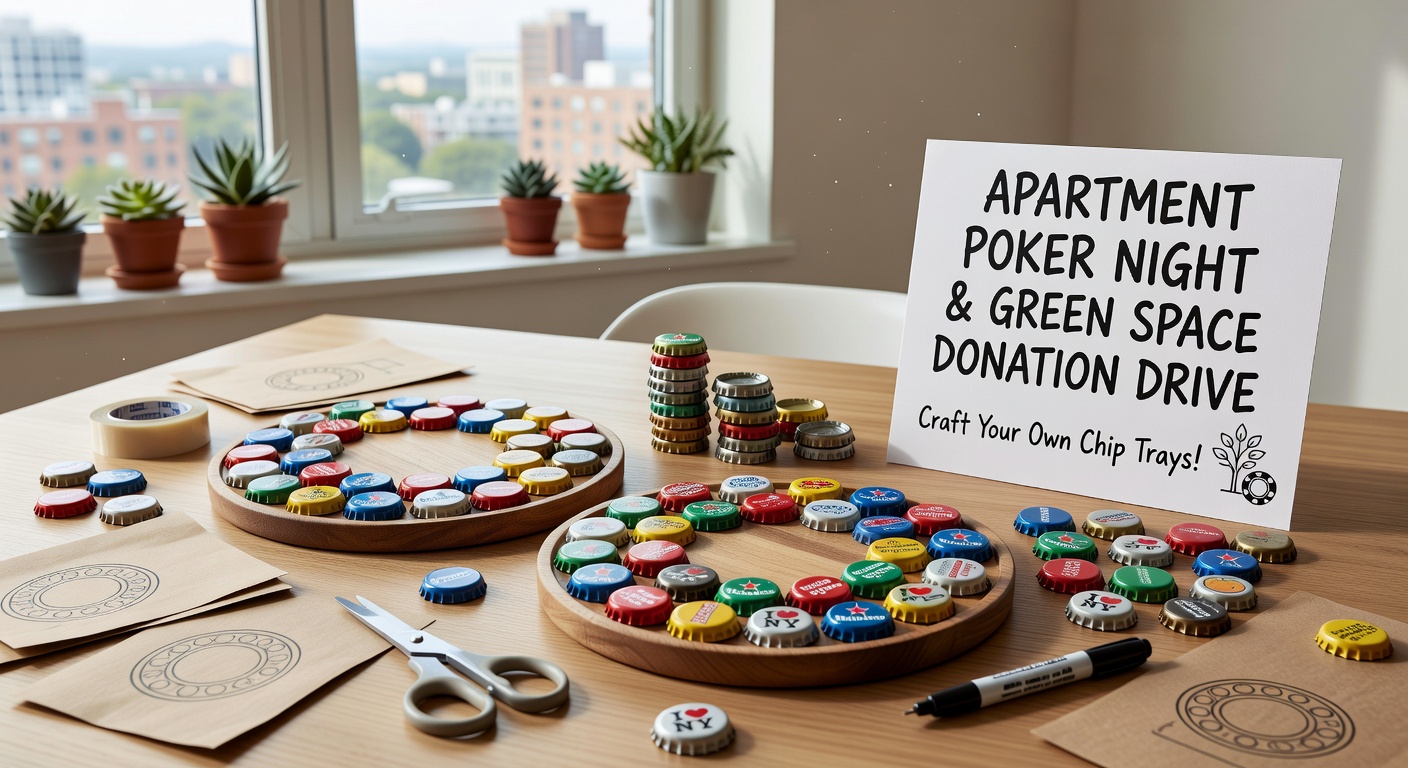 People have turned everyday kitchen items into functional poker accessories for years, and magnetic chip trays built from bottle caps plus strong neodymium magnets represent one practical approach that fits small living spaces. These trays keep chips organized during games while the events themselves often raise funds for city parks and community gardens. Observers note that apartment residents across North America have hosted such gatherings, combining low-cost DIY elements with structured donation mechanisms that support local environmental projects. Materials for the trays remain straightforward and widely available. Standard metal bottle caps from glass beverage containers provide the base structure, while flat kitchen magnets or adhesive magnetic sheets supply the holding power. Additional items include epoxy resin or strong craft glue, sandpaper for smoothing edges, and optional paint or sealant for durability and visual appeal. Data from community crafting reports indicates that one standard sheet of magnetic material yields enough pieces for multiple trays when cut into small circles or squares sized to fit inside each cap. Construction begins with cleaning the bottle caps thoroughly to remove residue. Individuals then cut or punch matching shapes from the magnetic sheets, ensuring the pieces sit flush inside the caps. Application of adhesive follows, with careful alignment to avoid bubbles or misalignment. Once set, the trays stack neatly because the magnets create a secure bond that resists sliding on felt surfaces. Research from university extension programs on household reuse shows that such magnetic connections maintain stability through repeated handling when proper adhesives are selected.
Integrating the Trays into Apartment Poker Sessions
Apartment-based poker nights benefit from compact accessories that store easily between events. The magnetic trays fit standard poker chip sets and allow quick setup on dining tables or portable card surfaces. Players often arrange chips by denomination within each tray, reducing spills and speeding up chip counts during breaks. Community groups have documented similar setups in shared building spaces where noise levels and space constraints limit larger equipment.
The same events frequently incorporate donation elements. Hosts collect small entry fees or voluntary contributions that route directly to urban green space initiatives. According to environmental agency reports from the United States Environmental Protection Agency, community-driven funds have supported tree planting and park maintenance in multiple cities when organized through recurring local activities. May 2026 schedules show several planned gatherings in Midwestern and Pacific Northwest regions that list green space donations as primary beneficiaries.Donation Mechanisms and Urban Green Space Connections
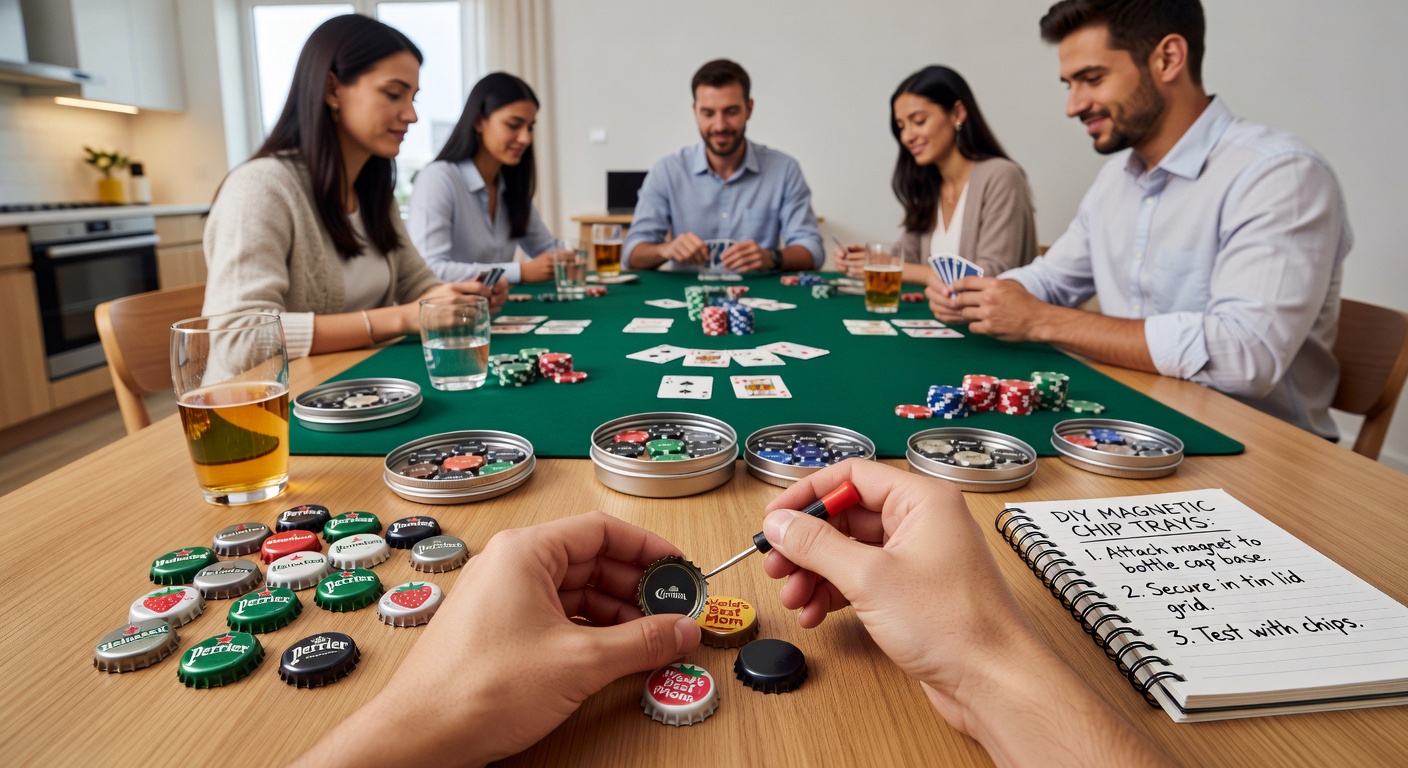 Transparent collection methods help maintain trust during these fundraisers. Hosts typically display a sealed jar or digital tracking sheet that records contributions after each round or session. Funds transfer to registered park conservancies or municipal green initiatives at regular intervals. Figures from Canadian municipal records reveal that similar micro-fundraising events have generated steady support for community gardens when paired with recurring social activities. Those coordinating events often combine the magnetic trays with simple signage that explains the donation purpose. This approach keeps the focus on the game while informing participants about the environmental outcomes. Industry analyses from gaming associations note that themed accessories can increase engagement in home settings without requiring commercial equipment purchases.
Practical Considerations for Repeated Use
Durability testing by hobbyist communities shows that properly sealed magnetic trays withstand regular play when stored in dry conditions. Occasional reapplication of adhesive maintains performance over multiple months. Participants report that the trays also serve secondary functions such as holding small game markers or tokens during non-poker activities. Scheduling aligns with broader community calendars. Events planned around May 2026 coincide with spring planting seasons in many urban areas, allowing donation proceeds to support immediate green space projects. Local regulations on residential gatherings vary by city, yet observers note that most apartment poker nights remain within standard occupancy guidelines when attendance stays moderate.Conclusion
The combination of repurposed materials for chip management and structured donation collection creates a self-contained activity loop that supports both entertainment and environmental goals. Data from multiple regional sources confirms that apartment residents continue to adapt household items for recurring social events while directing proceeds toward measurable urban improvements. This model operates through simple construction steps, clear collection processes, and alignment with existing park funding channels.