Caesars Republic Lake Tahoe Officially Opens After Multi-Phase Renovation in Stateline
 Caesars Entertainment completed the rebranding and renovation of the former Harveys Lake Tahoe property, which now operates as Caesars Republic Lake Tahoe Hotel & Casino in Stateline, Nevada, and the company marked the official opening in July 2026 following a $160 million investment across multiple phases. The project converted the existing structure into a refreshed property that features updated hotel accommodations along with redesigned public areas, dining venues, nightlife spaces, pool facilities, and an entirely new casino layout that incorporates fresh slot machines, a dedicated High Limit Room, and a World Series of Poker Room. The multi-phase effort began with structural assessments and proceeded through successive stages of interior demolition, system upgrades, and finish work, which allowed portions of the property to remain accessible during construction while crews addressed different sections sequentially. Observers note that this approach minimized extended closures and permitted phased reopenings as individual areas reached completion, and data from similar regional projects indicate that such sequencing often reduces overall disruption to surrounding tourism corridors along the South Shore.
Hotel and Guest Experience Upgrades
Renovated guest rooms received new furnishings, updated bathrooms, and technology integrations that align with current standards for luxury accommodations in the Lake Tahoe market, while public spaces throughout the hotel tower gained modern lighting, flooring, and wayfinding elements designed to improve navigation for visitors. The pool areas underwent resurfacing and received new seating configurations along with enhanced landscaping that connects the outdoor zones more directly to indoor lounges, creating continuous flow between recreational and social areas.
Dining outlets feature revised menus and interior designs that emphasize both casual and upscale options, and nightlife venues incorporate updated sound systems plus seating arrangements calibrated for evening events. These changes reflect the broader pattern of property repositioning that gaming operators have pursued across Nevada properties in recent years, where capital expenditures target guest retention through incremental improvements rather than complete rebuilds.Reimagined Casino Floor Details
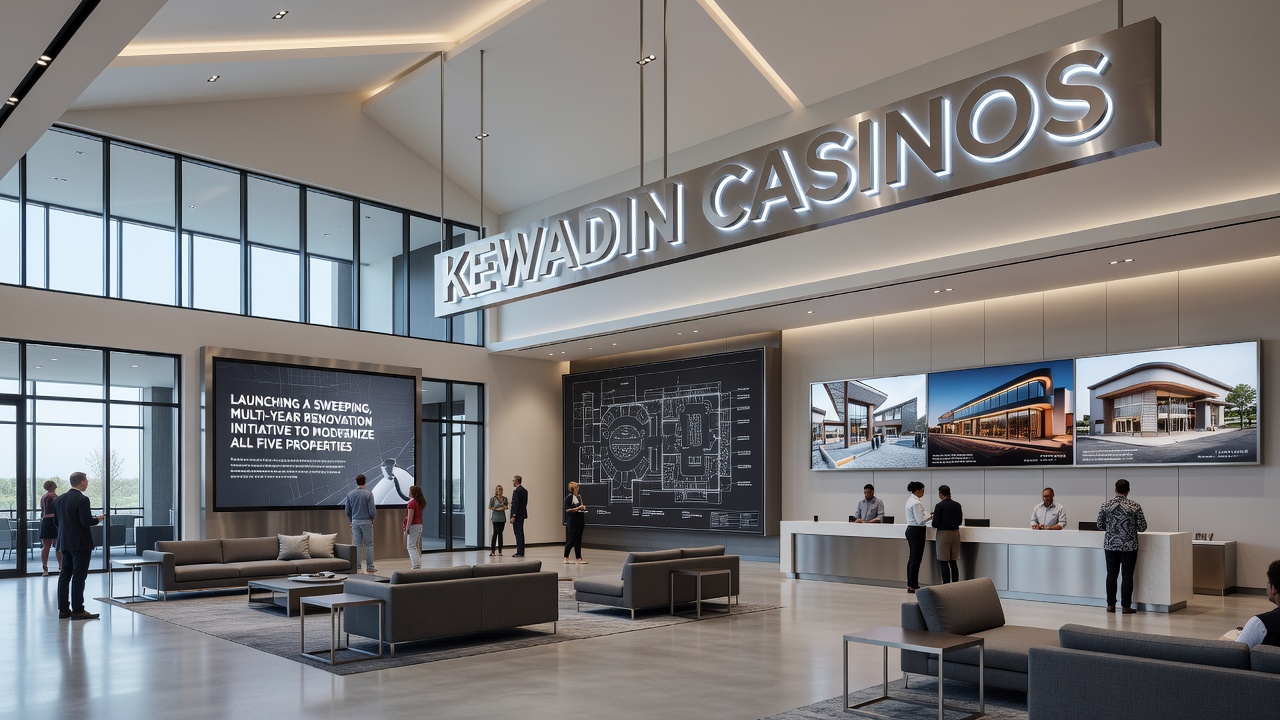 The casino floor received a complete reconfiguration that replaced older gaming equipment with current-generation slot machines arranged in updated traffic patterns, while the addition of a High Limit Room provides a separate environment equipped for higher-stakes play with dedicated amenities. A World Series of Poker Room occupies a distinct section of the floor and includes tournament-ready tables plus spectator viewing zones, and the overall layout incorporates new carpeting, lighting grids, and surveillance infrastructure that meets contemporary regulatory requirements. According to the company announcement, these elements combine to form the core gaming experience at the rebranded property, and the design choices follow precedents established at other Caesars Entertainment locations where segmented rooms allow operators to tailor atmospheres for different player segments without fragmenting the main floor.
Regional Context and Timeline
Stateline sits directly on the Nevada-California border and serves as a primary gateway for South Shore visitors, so the renovation timing aligns with seasonal tourism peaks that typically accelerate during summer months, and the July 2026 opening positions the property to capture both leisure and convention traffic heading into the second half of the year. Nevada gaming regulators reviewed and approved the updated floor plan and licensing adjustments prior to the public debut, which followed standard procedures outlined by the Nevada Gaming Control Board for property transfers and significant capital projects.
Industry reports from the American Gaming Association document similar renovation cycles at other mountain and lakefront properties, where operators allocate funds to maintain competitiveness against newer builds while preserving established locations that already hold brand recognition in their markets.